
(ENG BELOW)
Se negli ultimi dieci anni hai frequentato un club, probabilmente le produzioni di Sam Binga ti hanno fatto muovere i piedi — anche se non te ne stavi rendendo conto. Ora, con il lancio del suo mixtape per la sua etichetta Pineapple, Binga porta questo spirito un passo oltre: una visione comunitaria, fluida nei generi e sempre radicata nel rave.
Lo abbiamo raggiunto in vista dell’uscita di Club Orthodontics – un mixtape che attraversa i generi e rappresenta il suo primo progetto completo su Pineapple – per parlare di collaborazioni, etichette e di come un rave in una pizzeria di Los Angeles racchiuda tutta la sua visione.
Ciao Sam, benvenuto su Parkett Channel!
Il tuo sound mescola influenze club internazionali con un’energia tipicamente UK legata alla cultura soundsystem. Quando hai capito che questa strada ibrida era quella giusta da seguire? C’è stato un momento o una release che l’ha scatenata?
Penso che sia stata una naturale estensione dell’amore – e dell’ossessione! – per tantissime forme di musica dance. Mentre ascoltavo la jungle delle origini, stavo anche scoprendo la techno più ripetitiva; mentre mi facevo travolgere da garage scuro e primo dubstep, Jackmaster pubblicava classici Bmore Club su Dress2Sweat. Credo di essere stato abbastanza fortunato da ascoltare un sacco di musica eccitante, tutta con una genealogia interessante, in momenti della mia vita in cui ero ricettivo e curioso. E come produttore e DJ, mi annoio a restare fermo su uno stile solo – è molto più stimolante trovare modi per unire i punti tra suoni diversi. Linee di basso 808 nella jungle… 808 massicce nel Bmore… Batterie tagliate di Todd Terry negli edit dei Killa Productions…
Hai collaborato con artisti e artiste da tutto il mondo. Cosa cerchi quando collabori e come capisci quando una traccia è veramente “tua”?
Bella domanda! In generale, le collaborazioni che funzionano meglio per me nascono con due elementi fondamentali: lavorare in modo rapido per catturare il mood il prima possibile, e non essere troppo legati a chi ha fatto cosa o a quale idea prende forma. E davvero non importa chi è davanti al computer – se siamo nella stessa stanza, ci stiamo divertendo e stiamo facendo circolare le idee, è l’unica cosa che conta.
Quanto a quando un pezzo “mi appartiene”, in realtà non è mai un problema: dopo aver aggiunto, modificato e tolto cose, finisce sempre per avere un’identità condivisa che suona familiare per entrambi.
Pineapple è diventata una casa per artisti che spingono oltre i confini della club music. Qual è la missione alla base dell’etichetta? Cosa rende qualcuno un* artista “Pineapple”?
Pineapple è nata come uno spazio dove pubblicare una gamma di suoni più ampia rispetto a quella che mi era permessa dalle label con cui lavoravo. Volevo esplorare la mia visione di UK Funky, Garage, House, Techno ecc., e dare visibilità agli straordinari vocalist con cui ho lavorato – perché penso davvero che la dance music oggi abbia un po’ troppa paura delle tracce vocali!
Con il tempo, conoscendo persone con vibrazioni e idee simili, abbiamo iniziato a pubblicare anche musica altrui, ma l’approccio è rimasto lo stesso: deve essere roba che metterei nei miei set, e che mi fa venire voglia di ballare. Di recente ho capito che, per quanto mi riguarda, devo conoscere davvero la persona, tanto da immaginarmi di andare al pub con lei a ridere e chiacchierare. Le migliori label, secondo me, dovrebbero sentirsi come uno skate team degli anni ’90: ognuno con il suo stile unico, ma che sta benissimo dentro lo stesso spazio, capisci?
Club Orthodontics è un mixtape che attraversa grime, funk, UKG e juke. Com’è nato il progetto? E cosa rappresenta per te in questo momento?
Volevo realizzare qualcosa che fosse più ampio e consistente di un singolo o di un EP, ma che rappresentasse a pieno i valori di Pineapple: comunità, collaborazione, musica da dancefloor non vincolata ai generi, ma coesa nell’estetica. Ne sono davvero orgoglioso – può sembrare strano dirlo, ma è uno di quei progetti che, quando lo riascolto, mi fa dire: sì, ha senso, funziona come un tutto unico.
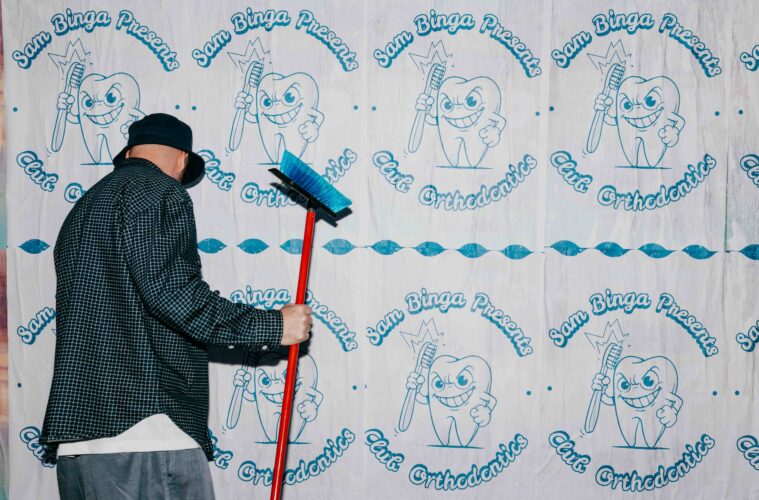
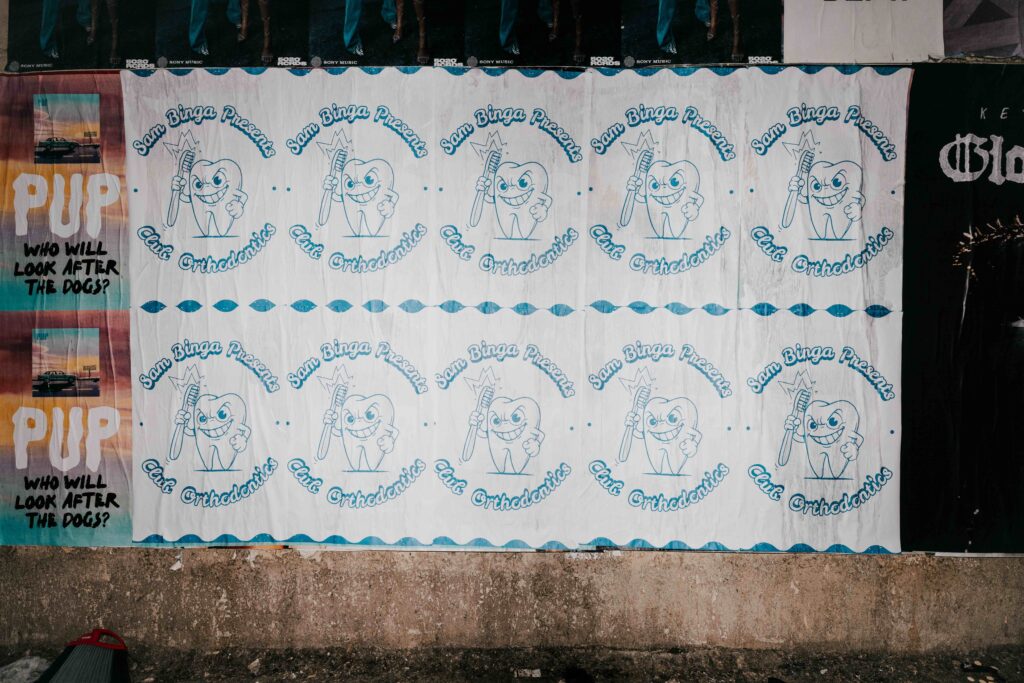
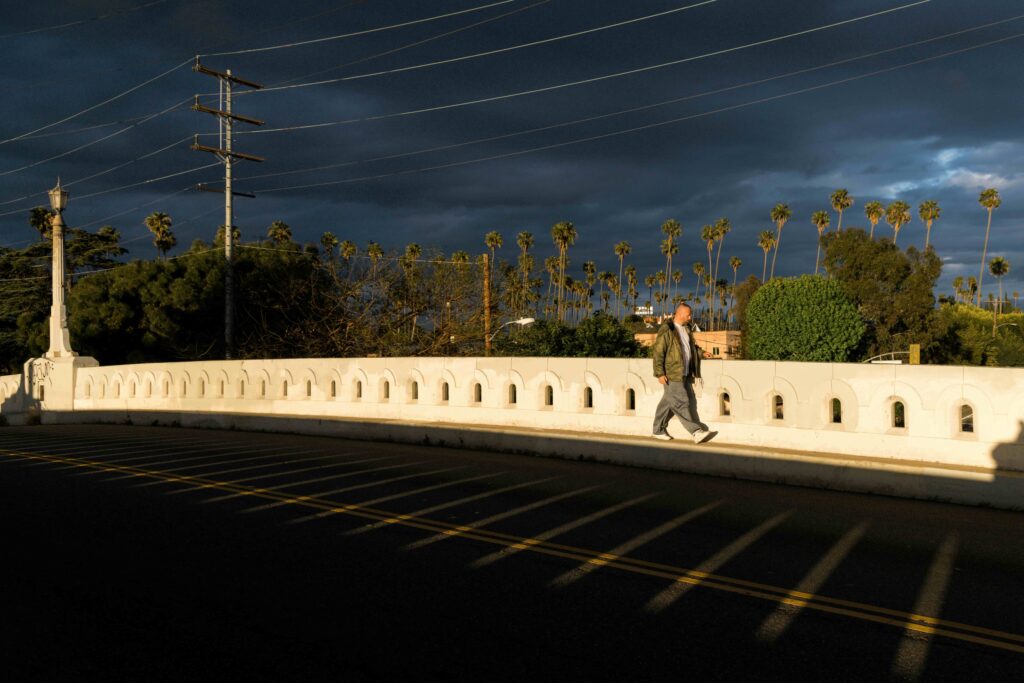
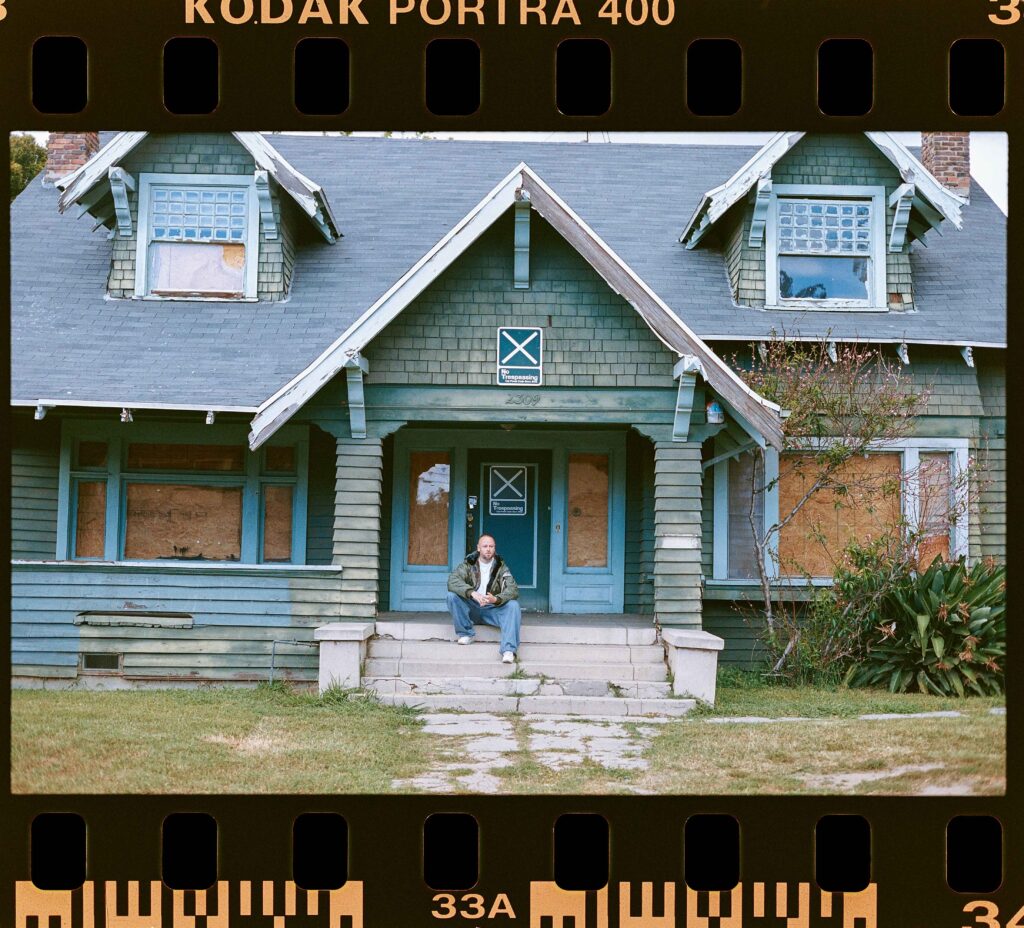
Anche il lato visivo mi rende molto felice: una collaborazione tra Sanja @bastardshark (la regina della grafica Pineapple) e Helen Harp, una fotografa incredibile di Los Angeles. Abbiamo stampato la grafica creata da Sanja, poi mi hanno fotografato davanti, in un vicolo di LA pieno di poster in stile rave – è stato il modo perfetto per tradurre il suono del progetto in immagini. Tutto questo non sarebbe stato possibile senza fidarsi della visione di ognuno.
C’è un brano del mixtape che senti particolarmente tuo o che ha avuto una genesi inaspettata?
Amo tutti i pezzi come se fossero figli miei, ma c’è qualcosa nel remix “Step & Sway” che ho fatto con Bakey che suona davvero Pineapple. Avevo chiesto tempo fa a Freddie di remixarlo – a quanto pare era uno dei suoi pezzi preferiti dell’etichetta, nonostante fosse la prima uscita. Aveva iniziato qualcosa, ma poi si era bloccato e con gli impegni è rimasto tutto in sospeso. La settimana prima della deadline ci siamo risentiti: lui si era appena trasferito a Bristol, è venuto in studio da me, abbiamo ripreso il suo lavoro, sistemato il tutto, testato in club e messo nella raccolta. È uno dei migliori remix a cui abbia preso parte!
Hai suonato in venue e festival iconici. Come percepisci l’evoluzione dell’esperienza clubbing e che tipo di show stai preparando per il 2025?
Ci sono tantissime domande interessanti su cosa sia oggi il clubbing, cosa potrebbe e dovrebbe essere, cosa rende una serata o un festival davvero speciale – e anche il contrario. Non esiste una regola fissa: l’accessibilità economica è fondamentale, non tutti possono permettersi i mega club o i mega festival. Serve più “spontaneità accessibile” – piccoli spazi in città dove anche chi non è immerso nella scena può entrare per caso e scoprire musica che gli cambia la vita.
Per i miei set vorrei fare più set lunghi e b2b inaspettati – io e Sister Zo abbiamo fatto tutta la notte al Good Room di Brooklyn ed è stato pazzesco: 6 ore di vibrazioni, tracce inedite e classici NYC. Un altro highlight dell’anno è stato il Pineapple Pop-Up in una pizzeria di Hollywood per il lancio di Club Orthodontics, con Emz volato dal Regno Unito per portare il vero vibe da MC britannico in America. Voglio unire sempre di più questi punti.
Dopo un progetto così denso e collaborativo come Club Orthodontics, dove vedi andare la tua musica ora? Hai già qualcosa in cantiere o ti prendi tempo per esplorare nuove direzioni?
Ahah! Sono appena tornato dal Glastonbury, quindi oggi me la sono presa con calma, ma ci sono sempre progetti in corso. Negli ultimi mesi in America ho iniziato tracce con Sister Zo, Jia Ling e Nikki Nair – tutto da finire e mixare… E domani potrei andare da Addison Groove a lavorare su un progetto che stiamo costruendo da un po’. Il gioco non si ferma mai, yo!!!
Grazie per il tuo tempo e la tua musica! <3
Grazie a voi! 🙂
Sam Binga non si limita a produrre tracce — costruisce mondi.
Dalle notti infinite a Brooklyn ai rave improvvisati nei vicoli di Hollywood, la sua visione per Pineapple è audace e giocosa quanto i suoi beat. Club Orthodontics non è solo un punto d’arrivo: è una bussola che indica dove potrebbe andare la club culture – fluida, connessa, gioiosa. Mentre si prepara a nuove collaborazioni, b2b e set estesi, una cosa è certa: ovunque vada Sam Binga, la festa lo segue.
Picture Credits: Harp Digital Media
Sounds, Community and Spontaneity: The Club According to Sam Binga [INTERVIEW]
If you’ve spent any time on a dancefloor in the last decade, chances are Sam Binga’s productions have moved your feet — even if you didn’t realize it. Fusing UK soundsystem culture with global club influences, his music refuses to sit still. Now, with the release of his new mixtape for his label Pineapple, Binga takes that ethos one step further: community-driven, genre-flexible, and always rooted in the rave. We caught up with him ahead of the release of Club Orthodontics, a genre-hopping mixtape and his first full-length project on Pineapple, to talk about collaboration, label culture, and how a pizza shop rave in LA sums up everything he stands for.
Hi Sam, Welcome to Parkett Channel!
Your sound blends global club influences with a distinctly UK soundsystem energy.
When did you first realize this hybrid path was the one you wanted to follow? Was there a key moment or release that sparked it?
I think it’s been a natural extension from loving – and obsessing over! – many different forms of dance music! At the same time I was listening to early jungle, I was learning about loopy techno; while I was being blown away by that kinda dark garage / early dubstep sound, Jackmaster was putting out classic Bmore Club on Dress2Sweat. I guess I just was lucky enough to hear a lot of exciting music, all of which had a really interesting lineage, at points in my life where I was impressionable and open enough to really absorb and be fascinated by them… And as a producer and a DJ, I get bored sticking to one sound or style – it’s more interesting to find ways to join the dots between them. Bouncing 808 basslines in Jungle… tuff 808 bass in Bmore… Cut up Todd Terry 808 drums in the Killa Productions edits…
You’ve collaborated with artists from all over. What do you look for in a collaborator, and how do you know when a track truly feels like yours?
That’s a good question! Generally, I think the people I work with best tend to have a couple of key elements – they like to work quickly and catch a vibe as fast as possible, and they’re not precious about who did what, or which idea ends up in what shape. I also think that it really doesn’t matter who is ‘pushing the buttons’ or sitting at the computer – if I’m in the room with someone, and we’re having fun, and bouncing ideas off each other, that’s the only thing that matters.
As for when the track feels like mine? That’s never really an issue, because after we’ve gone through the process of adding things in, tweaking them, taking them away again, it’s pretty much guaranteed to end up in a place that feels like home for both of us.
Pineapple has become a home for artists who push the boundaries of club music. What’s the core mission behind the label, and what makes someone a “Pineapple” artist in your eyes?
Well, Pineapple started as a place for me to release a wider range of music than was possible with the labels I was working with at the time. I wanted to be able to work out my own take on sounds like UK Funky, Garage, House & Techno etc. – and also to be able to give some shine to the amazing vocalists I’ve worked with over, because I really think that dance music has become way too scared of vocal tracks!
As the label progressed, and I met more people with similar vibes and ideas, we’ve gradually been able to release music by other people, but the ethos has remained the same – it’s gotta be stuff that I would play in my sets, and I’ve got to find it exciting. I also realised recently that I pretty much have to know the person on a level where I could imagine going to the pub with them, hanging out and catching jokes. I think the best labels should feel like a 90s skate team, where you can imagine everyone knocking about together, and while each person has their own steez and unique approach, it all makes sense that they can exist in the same space, if that makes sense???
Club Orthodontics is a genre-spanning mixtape that moves through grime, funk, UKG, and juke. How did the idea for this project come about, and what does it represent for you at this stage of your career?
For ‘Club Orthodontics’, I wanted to put something together that felt longer and more weighty than a single or EP, but I also wanted it to represent strongly some of the ideas that are important for Pineapple – community, collaboration, dancefloor-focussed music that isn’t worried about genre but hangs together through vibe and aesthetic. I’m really proud of it – which might sound crazy to say, but it’s one of those projects that when I listen through, I realise that yes, it DOES all make sense, and flow as one unified collection of music.
I’m also really happy with the artwork – again, a collaboration between Sanja @bastardshark (the Pineapple Graphics Queen) and Helen Harp, an amazing photographer from Los Angeles. We printed out the artwork Sanja designed, then photographed me in front of it, postered up rave-style down a rough and ready alleyway in LA – which felt like a good way to visually express the sonics of the whole project, and which wouldn’t have happened without trusting the vision of everyone involved.
Is there one track on the mixtape that stands out as particularly meaningful or that came together in an unexpected way? Give us a behind-the-scenes glimpse of how that one was made.
I mean, all of the tracks are my babies and I love them all equally, but there’s something about the Step & Sway RMX I did with Bakey that felt very Pineapple somehow. I’d reached out to Freddie a while back about him remixing that tune, and apparently it was one of his favourite tracks on the label, despite it being the first ever release. He started something, but then couldn’t quite get it where he wanted, and then got super busy and it kinda fell by the wayside. Pretty much the week before the deadline, we got back in touch and it turned out he’d just finished moving to Bristol – so that week, he came down to my studio, we took what he’d started, levelled it up, tested it out in the club and threw it on the project. And it’s one of the best remixes I’ve been involved in!
You played iconic venues and festivals. How do you feel the live clubbing experience is evolving, and what kind of show are you aiming to bring into 2025?
I think there’s a lot of interesting questions being asked about what clubbing is, what it could be, what it should be, what makes a great night, what makes a great festival – and the reverse as well. And I don’t think there’s a hard and fast rule – affordability is a big part of it, as not everyone can handle the trend of megaclubs and festivals, you know? There’s something to be said for creating ‘available spontaneity’ – smaller venues in cities, where someone who’s not immersed in the scene could randomly wander into an event and hear some music that changes their life.
In terms of my own sets, I’d love to do more extended sets, and more unexpected b2bs – me and Sister Zo went all night long at Good Room in Brooklyn and that was amazing – 6hrs of just catching vibes off each other, playing unreleased weirdness next to NYC classics… That was definitely a highlight of the year so far. And we also threw a Pineapple Pop-Up in a Pizza shop in Hollywood to launch Club Orthodontics, where we flew Emz out from the UK to bring that British hosting / MC vibe to America… That felt really special, and so I’d love to be able to join dots like that a bit more as well.
After such a dense and collaborative project like Club Orthodontics, where do you see yourself going musically? Is there something new already in motion, or are you taking time to explore fresh directions?
Ha! Well currently I’ve just got back from Glastonbury festival, so I’ve taken it quite easy today, but there’s always projects and collaborations on the go. While I was in America the last few months, I started music with Sister Zo, Jia Ling and Nikki Nair, so that all needs finishing up and mixing… And tomorrow I might head round Addison Groove’s studio to carry on working on a project we’ve been slowly piecing together. The game don’t quit yo!!!
Thank you so much for your time and music! <3
Thanks for having me! 🙂
Sam Binga doesn’t just make tracks — he builds worlds. From sweaty all-nighters in Brooklyn to DIY parties in Hollywood alleys, his vision for Pineapple is as bold and playful as the music itself. Club Orthodontics isn’t just a statement of where he’s at — it is a compass pointing to what club culture could be: fluid, connected, joyful. As he gears up for more collabs, b2bs, and extended sets, one thing’s clear — wherever Binga goes next, the party follows.
Picture Credits: Harp Digital Media