
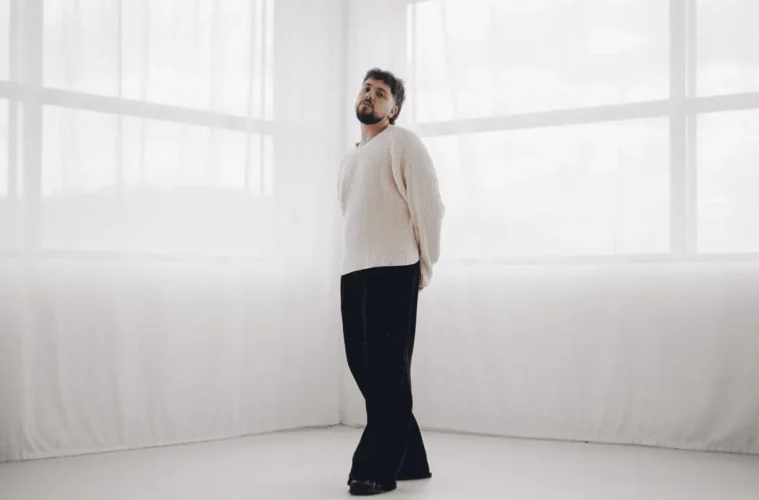
“Another Life” è finalmente disponibile su Habitat, e abbiamo parlato con CAY, produttore e DJ con base a Berlino, per una conversazione che attraversa techno, club culture e introspezione artistica.
Cay è il nostro ospite odierno su Parkett. Le sue prime esperienze nascono in contesti informali che hanno avuto un ruolo centrale nella sua formazione. Da lì passa ai club di Colonia, fondamentali per costruire un linguaggio più strutturato, e successivamente a Berlino, dove il confronto con la techno e la cultura del club diventa più diretto e consapevole. Negli ultimi anni, il suo lavoro si è spostato sempre di più verso lo studio, come spazio di ricerca e riflessione.
Con “Another Life“, il suo ultimo album uscito sulla label Habitat dei Mind Against, CAY compie una svolta chiara e consapevole. Il disco nasce nell’arco di diversi anni e prende forma attraverso un processo di selezione radicale: oltre 60 tracce ridotte a un unico corpo coerente. Il risultato è un lavoro che si allontana dalla funzionalità dalla pressione della dancefloor per aprirsi a una dimensione più umana, narrativa e personale. Un’ ode a ripensare il club come spazio emotivo in cui il suono diventa racconto, memoria e possibilità di altre prospettive.
Ciao CAY, benvenuto su Parkett Channel, è un piacere averti con noi oggi. Iniziamo con il tuo ultimo progetto “Another Life”, che già appare come un punto di svolta piuttosto che un semplice debutto. In che modo questo EP/album riflette la tua evoluzione complessiva come produttore fino ad oggi?
Grazie mille per avermi invitato. “Another Life” è stato, allo stesso tempo, una riscoperta e un lasciar andare. L’album è molto più libero rispetto a ciò che avevo fatto prima e mi offre molto più spazio per sperimentare. Penso che il processo di realizzazione mi abbia davvero mostrato cosa significhi per me la musica, e per questo motivo sento che rappresenta un punto di svolta, piuttosto che un semplice debutto.
Hai descritto la musica come un “rifugio” — un modo per calmare la mente e elaborare il caos della vita. In che modo questa funzione emotiva della musica ha influenzato la scrittura di questo EP?
Molto intensamente. Senza emozione, è difficile creare qualcosa di veramente speciale. Certo, ci sono momenti in cui si fa musica senza cercare consapevolmente di elaborare grandi cose, ma poi, da qualche parte nel processo, queste idee apparentemente semplici iniziano a suscitare emozioni. Spesso è lì che qualcosa di significativo inizia a emergere.
Il disco è stato distillato da più di 60 tracce scritte in diversi anni. Cosa ti ha aiutato a riconoscere quali pezzi appartenevano davvero a “Another Life”?
È stato un vero e proprio avanti e indietro. Scegliere quali tracce inserire nel disco ha richiesto molto tempo. Come team – io, Alex e Freddy – abbiamo avuto molte conversazioni per trovare dieci tracce che davvero stessero insieme. Ovunque ci trovassimo, la discussione continuava, sempre in modo positivo.
Dal punto di vista sonoro, l’album oscilla tra grandiosità cinematografica e intimità emotiva, bilanciando l’energia da club con la narrazione. Quanto è stata intenzionale quella tensione tra dancefloor e introspezione?
È successo in modo molto naturale. Le mie radici sono sulla pista da ballo e resteranno sempre lì. Allo stesso tempo, a volte trovo difficile concentrarmi solo sulla funzionalità da club quando voglio esplorare qualcosa di più personale o emotivo. Quella tensione fa parte di chi sono, e penso che si possa percepire nella musica.
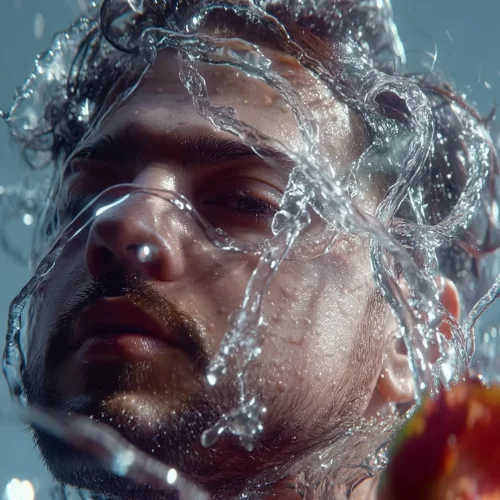
Oltre al suono, il tuo lavoro porta con sé un’identità visiva e estetica forte. Quanto è importante il linguaggio visivo nel determinare come la tua musica viene percepita?
Adoro i film e molto spesso vedo la mia musica come una storia nella mia testa. Il modo in cui la musica viene tradotta visivamente per me è un’unione tra suono ed estetica. Il linguaggio visivo gioca un ruolo importante nel comunicare il mondo emotivo della musica.
In una scena che spesso privilegia velocità e output, hai preso tempo per sviluppare la tua voce. Quanto è importante la pazienza nella tua filosofia creativa?
La pazienza è tutto. Qualunque cosa tu faccia, ci vuole tempo per diventare bravo. La mia voce, ad esempio, era qualcosa da costruire davvero da zero, ma passo dopo passo inizi a trovarti e a capire il valore dietro di essa. Penso sia importante osare fare cose più insolite invece di limitarsi a ripetere ciò che fanno tutti gli altri.
Guardando avanti, ti senti attratto da collaborazioni con artisti che condividono una profondità emotiva simile, o l’intimità è qualcosa che preferisci esplorare da solo?
Dipende davvero. Amo fare musica con altre persone, imparare da loro ed esplorare mondi diversi insieme. Ma sento anche profondamente il bisogno di chiudermi e concentrarmi completamente sul mio lavoro. In questo momento, mi sento a mio agio nel prendermi il tempo per farlo.
“Another Life” sembra un primo capitolo piuttosto che una conclusione. Dopo esserti concesso il permesso di guardare dentro te stesso e correre dei rischi, dove pensi stia andando la tua musica?
Sempre avanti e verso l’alto. Chi può davvero sapere cosa porterà domani? Sento che continuerò a esplorare la mia voce e le infinite possibilità che derivano dal combinarla con stili diversi.
“Another Life” è disponibile qui.
ENGLISH VERSION
“Another Life” is finally out, and we spoke with CAY, a Berlin-based producer and DJ, for a conversation that moves through techno, club culture, and artistic introspection.
His first experiences took place ininformal settings that played a central role in his development. From there, he moved to the clubs of Cologne, essential for building a more structured musical language, and later to Berlin, where his engagement with techno and club culture became more direct and conscious. In recente years, his work has increasingly shifted toward the studio as a space for research and reflection.
With “Another Life”, his latest album, CAY makes a clear and deliberate turn. The record was created over several years and shaped through a rigorous selection process: over 60 tracks distilled into a single, coherent body of work. The result is a project that moves away from the functionality and pressure of the dancefloor to embrace a more human, narrative, and personal dimension. Not a rejection of the club, but a rethinking of it: an emotional space where sound becomes storytelling, memory, and the possibility of new perspectives.
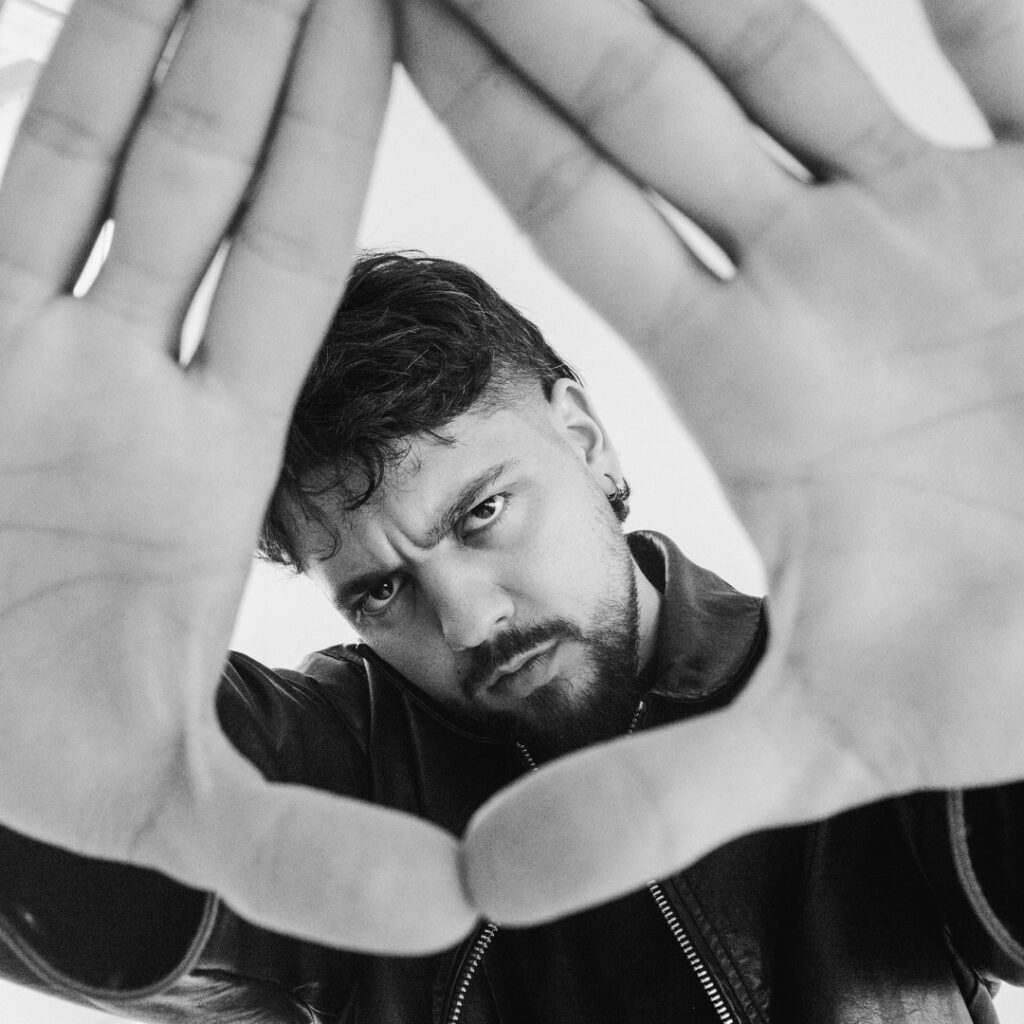
Hello CAY, welcome to Parkett Channel, it’s a pleasure to have you with us today. Let’s start with your latest project: “Another Life” already feels like a turning point rather than just a debut release. How does this EP/album reflect your overall evolution as a producer so far?
Thank you so much for having me. Another Life feels like a rediscovery and a letting go at the same time. The album is much freer than what I’ve done before, and gives me a lot more space to experiment. I think the process really showed me what music truly means to me, and because of that, it definetely feels like a turning point rather than a debut.
You’ve described music as a “refuge”, a way to calm your mind and process life’s chaos. How did that emotional function of music shape the writing of this EP?
Very strongly. Without emotion, it’s hard to create something truly special. Of course, there are moments where you make music without consciously trying to process anything big, but then somewhere in the middle of the procces, these seemingly simple ideas suddenly start to trigger emomtions. That’s often where something meaningful begins to happen.
The record was distilled from more than 60 tracks written over several years. What helped you recognized which pieces truly belonged to “Another Life”?
That was a real back-and-forth. Choosing which tracks would actually make it onto the record took a lot of time. As a team — Alex, Freddy, and I — we needed many conversations to finally find the ten that truly belonged together. No matter where we were, the discussion continued, always in a positive way.
Sonically, the album moves between cinematic grandeur and intimate emotion, balancing club energy with storytelling. How intentional was that tension between dancefloor and introspection?
It happened very naturally. My roots are on the dancefloor, and they will always stay there. At the same time, I sometimes find it difficult to focus only on club functionality when I want to explore something more personal or emotional. That tension is part of who I am, and I think you can hear that in the music.
Beyond sound, your work carries a strong visual and aesthetic identity. How important is the visual language in shaping how your music is perceived?
I love films, and very often I see my music as a story in my head. The way music is translated visually feels like a union between sound and aesthetics for me. Visual language plays a big role in how the emotional world of the music is communicated.
In a scene that often prioritises speed and output, you’ve taken time to develop your voice. How important is patience in your creative philosophy?
Patience is everything. No matter what you do, it takes time to become good at it. My voice, for example, was something I really had to start from zero with, but little by little, you begin to find yourself and understand the value behind it. I think it’s important to dare to do more unusual things instead of just repeating what everyone else is doing.
Looking forward, do you feel drawn to collaborations with artists who share a similar emotional depth, or is intimacy something you prefer to explore alone?
It really depends. I love making music with other people, learning from them, and exploring different worlds together. But I also deeply feel the need to lock myself in and fully focus on my own thing. Right now, I feel good about taking the time to do that.
“Another Life” feels like a first chapter rather than a conclusion. After granting yourself permission to turn inward and take risks, where do you feel your music is heading next?
Always forward and upward. Who really knows what tomorrow brings? I feel like I’ll continue exploring my voice and the endless possibilities that come with combining it across different styles.
“Another Life” is available here.