
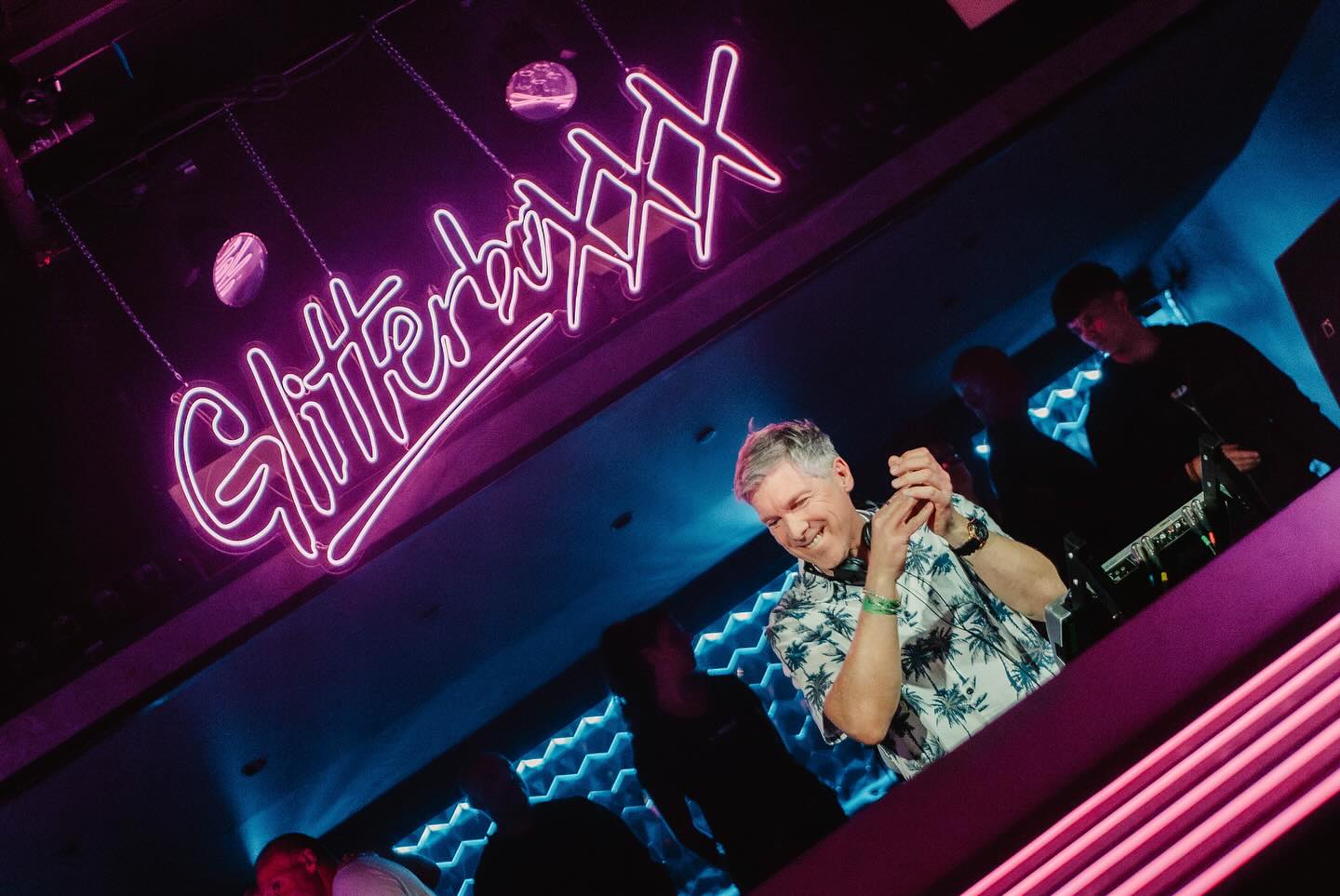
La nostra intervista ad un gigante della vocal house, in occasione della sua prima performance romana al Lanificio 159.
Se a qualcuno di voi il nome “Michael Gray” dovesse suonare nuovo, c’è un bel problema: o avete vissuto fino ad ora sotto una roccia, o non vi piace per nulla il clubbing, o peggio ancora non vi siete mai soffermati sul nome di quelli che fanno i dischi su cui ballate.
Gray non è un nome qualsiasi, comunque: è un poliedrico artista inglese, una delle stelle di punta di Glitterbox e di Defected, nonché padre di Sultra Records e metà del duo Full Intention insieme a John Pearn.
Autore di numerosissime tracce tra cui “Borderline”, “Chasing Shadows”, dell’album “Optimism“ e altrettanti remixes, è certamente l’autore di uno dei vostri brani preferiti.
In trepidante attesa dell’uscita del suo nuovo album, e con l’occasione della sua prima performance romana, abbiamo voluto fargli qualche domanda, nel nostro solito stile.
Quello che abbiamo conosciuto è una figura pura, un uomo gentile, una persona davvero perbene, e soprattutto un grande artista musicale, che dietro ogni altra cosa valorizza l’anima della musica che produce e che suona.
E per permettere anche a voi di apprezzare quello che noi siamo riusciti a conoscere, vi lasciamo la nostra intervista integrale a Mr. Michael Gray.
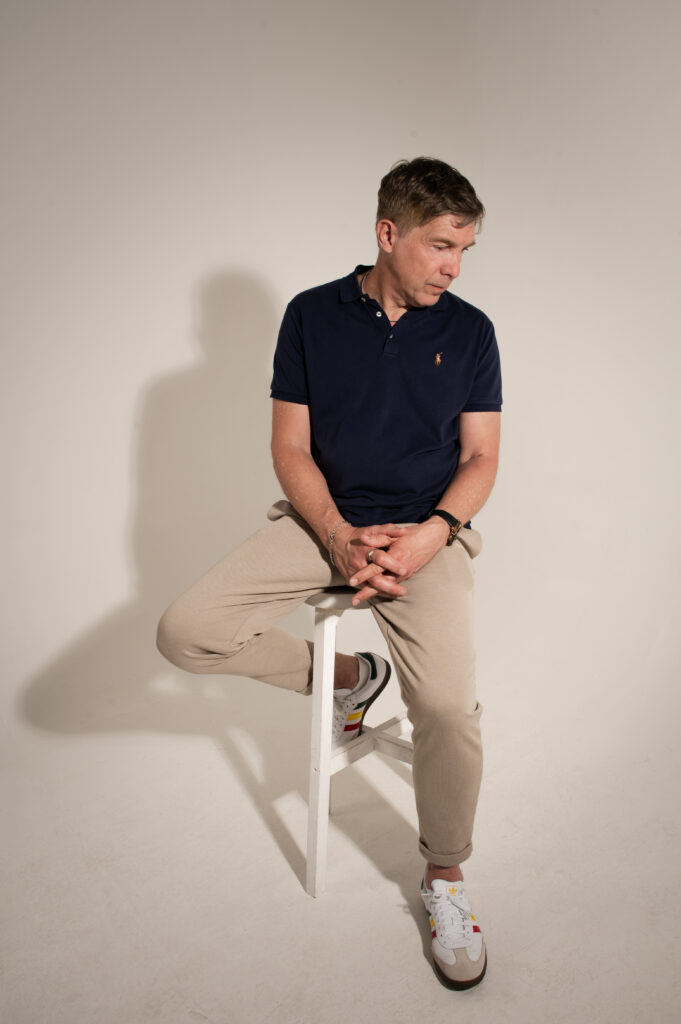
Ciao Michael, benvenuto su Parkett! Innanzitutto, come stai e come vanno le cose in questo periodo?
Michael Gray (M): Sto molto bene, grazie. Sono impegnato nella scrittura e nella produzione del mio album. È quasi finito e uscirà alla fine di maggio. Sono molto emozionato. E nel frattempo, ovviamente, continuo a fare il DJ e a remixare diversi brani, soprattutto disco.
Quindi ho praticamente due album. Uno sarà un album di remix, mentre l’altro conterrà solo brani inediti, cosa che adoro fare. Sezione d’archi dal vivo, fiati dal vivo, batteria dal vivo, cose del genere. Quindi, per rispondere alla tua domanda, sì, sono molto impegnato.
La mia prima domanda è di natura personale. Prima di diventare Michael Gray, prima di diventare Full Intention, prima di tutte queste cose, prima di diventare un pilastro della musica house britannica, chi era Michael prima di diventare Michael Gray?
M: Beh, la cosa divertente è che faccio il DJ da quando avevo 12 anni. Quindi sono cresciuto con la musica disco, alla fine degli anni ’70, all’inizio degli anni ’80, e questo è tutto ciò che ho fatto. Tutto ciò che ho fatto è stato fare il DJ ogni mese.
I miei genitori e mio padre organizzavano eventi nella sala della nostra chiesa. Poi ho fatto tutte le feste disco della scuola, poi a 18 anni ero nei club di Londra, e da lì è partito tutto. E ho sempre avuto quella passione! All’inizio degli anni ’80, tutto era megamix, quindi si trattava solo di mixare, ed era una cosa molto nuova che non facevano in molti.
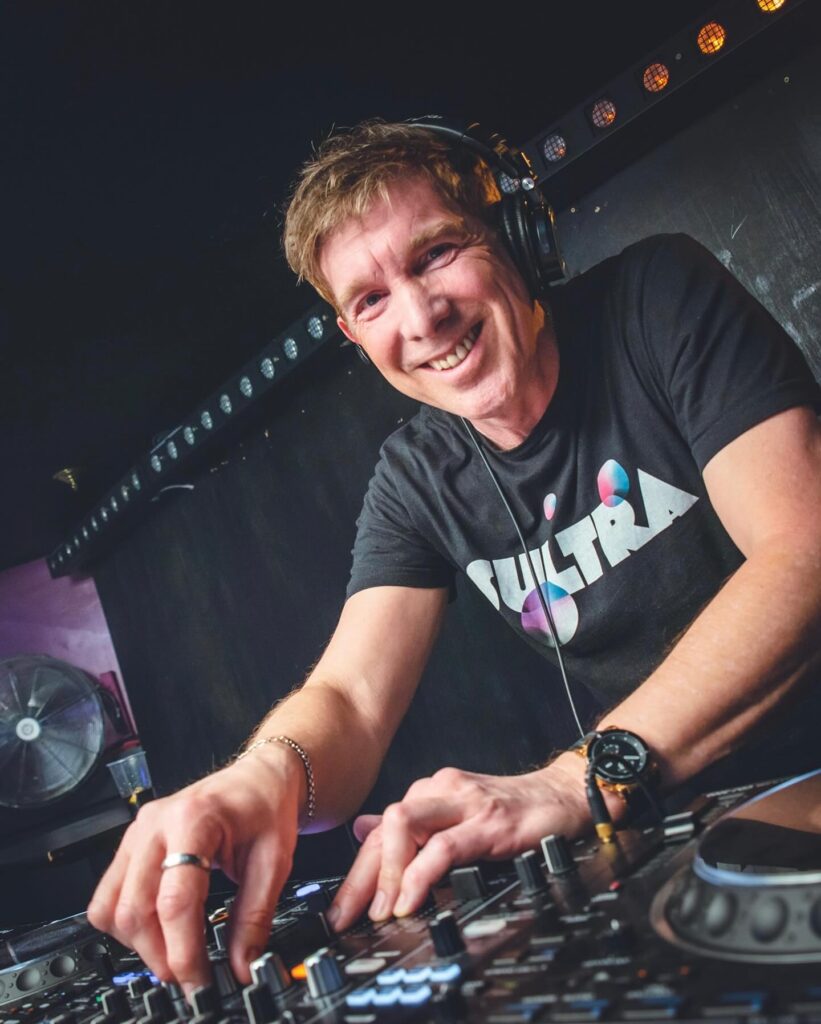
Molti prendevano il microfono, dicevano qualcosa e passavano al disco successivo, ma noi cercavamo tutti di mixare questi vinili, il che era ancora più difficile perché ovviamente molti erano fuori tempo, dato che all’epoca non c’erano nemmeno le drum machine.
Quindi, in tutta onestà, ho vissuto e respirato musica fin da prima dei 12 anni, ma ero, suppongo si possa dire, semi-professionista durante l’adolescenza. Quando ho compiuto 12, 13, 14 anni, facevo già il DJ molto spesso. Sono un tipo piuttosto familiare, ho tre figli maschi e la cosa fantastica è che ora hanno tutti poco più di vent’anni e vengono a molti dei miei concerti.
Trascorro molto tempo con loro, in particolare con uno dei miei figli, Ethan, perché anche lui ha iniziato a fare il DJ e a produrre musica, e io sono anche il suo manager. Quindi, a pensarci bene, ho davvero molto da fare. Troppo.
È molto interessante. Voglio dire… pochi DJ di alto livello riescono a esibirsi e a essere DJ pur essendo anche padri di famiglia. Quindi penso che sia un grande risultato.
M: Sì, quando sono arrivati i ragazzi, non ho più fatto il DJ ogni settimana e certamente non due volte a settimana, non ogni venerdì e sabato.
Prima che arrivassero, riuscivo a fare 5, 6 serate o sessioni a settimana. Ma quando sono arrivati, mi sono preso una pausa. Infatti, quando ho realizzato The Weekend nel 2004, ho smesso di fare il DJ per circa 2 anni perché 2 dei miei figli sono gemelli.
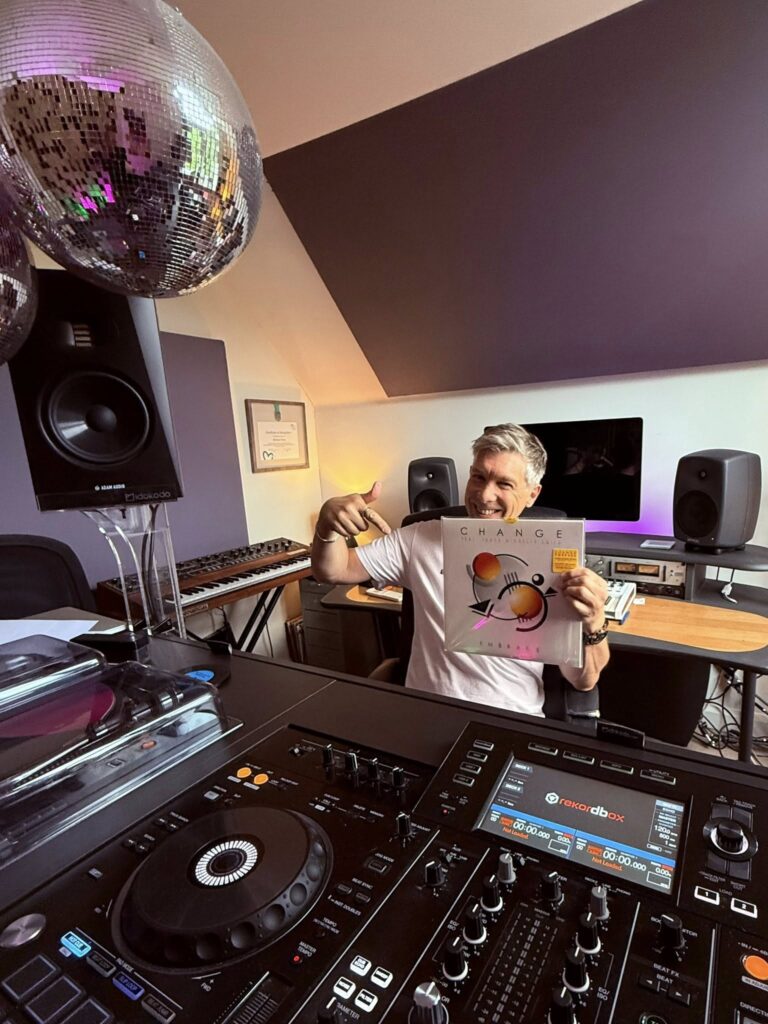
Quindi abbiamo avuto praticamente 3 figli in 18 mesi. Era così impegnativo che ho smesso di fare il DJ, così io e mia moglie potevamo provare a occuparci di loro insieme. La famiglia viene prima di tutto. Tuttavia, ora che sono tutti cresciuti, è lì che in qualche modo… Non sono risorto, ma sono tornato.
E non sento il bisogno di correre a casa dopo aver fatto il DJ. Non devo tornare a casa da vari paesi per stare con i miei figli perché normalmente vengono con me. Quindi funziona abbastanza bene. La mia fidanzata viene con me a Roma, e se suono a Londra, i miei figli vengono con i loro amici.
Quando organizzo le mie feste Sultra, vengono anche loro. È una sensazione fantastica. Non avrei mai pensato che avrei continuato a fare il DJ e che i miei figli sarebbero venuti con me. Non pensavo che sarebbe successo, sai, alla mia età, e che i miei figli sarebbero venuti con me.
Pensavo che non sarebbe successo, ma invece è così. E loro adorano la disco. Adorano la musica house. Quale papà potrebbe desiderare di più?
Beh, in realtà non riesco a immaginarlo. Parlando della tua carriera, hai suonato sia da solista che con i Full Intention in molti club e in molti paesi. Se dovessi scegliere, dove hai trovato il pubblico più entusiasta ogni volta che hai suonato in quel club o in quel paese? O forse anche, qual è, secondo me, il tuo club preferito? Se avessi tre concerti nello stesso giorno in tre posti diversi, quale sarebbe il posto che metteresti al primo posto?
M: Quando facevo il DJ con John Pearn e producevamo dischi come Full Intention, ci piaceva molto suonare al Pacha di Ibiza. Era uno dei nostri preferiti. E anche un club molto piccolo nel Regno Unito chiamato Out in the Sticks, che era davvero fuori mano, dovevi guidare per chilometri per arrivarci, era in mezzo al nulla.
Il pubblico era fantastico, potevamo suonare i brani più all’avanguardia e loro rimanevano con noi, il che era fantastico. Passando al presente, mi piace fare il DJ più che mai. Il club in cui amo suonare è il Glitterbox all’Hi. Ovviamente quest’anno si trasferirà all’Amnesia. Adoro suonare in Croazia. Ci sono così tanti club che mi piacciono davvero molto.
La mia festa preferita al momento è la mia Sultra Nights. Direi che è probabilmente la mia preferita, che al momento stiamo organizzando solo a Londra, ma vogliamo espanderci. Ho tantissimi bei ricordi. Ricordo quando, come Full Intention, abbiamo pubblicato il nostro primo disco, “America”. Credo andammo a Rimini, ci siamo divertiti molto in Italia…era il 1995!
Il tempo è passato e anche la scena di Ibiza è cambiata radicalmente. C’è qualche artista, come DJ, colleghi o feste che ti mancano in questo momento? Non sono più attivi in un certo senso, ad esempio Copyright, Junior Jack o persone come loro, persone che facevano parte della scena e che ora hanno cambiato strada, o feste a cui partecipavi o suonavi… C’è qualcuno di loro che ti manca in questo momento e di cui diresti: “Oh, questa festa è perfetta, ma con loro sarebbe stata completa”?
M: Sì, alcuni degli artisti che hai citato non sono più attivi, altri sono passati al management, altri continuano a fare i DJ ma non così spesso, e altri ancora credo stiano vivendo una sorta di rinascita, perché la gente dice: “Vogliamo sentire quella roba”.
Abbiamo attraversato tutti un periodo molto buio, intendo noi che facevamo vocal house e house con groove, wdisco, chiamatelo come volete. Intorno al 2011, 2010, è arrivata l’electro, poi ovviamente siamo passati all’EDM.
E molti di noi hanno abbandonato completamente la scena, DJ e produttori, e io ho semplicemente detto: “Non posso farlo, è senza anima”. Molti di noi provengono dal soul, quindi se la musica non ha anima o non ha groove, non ci interessa.
Molti di noi hanno detto: “Non vogliamo suonare per un sacco di gente che salta su e giù al ritmo di un disco. Vogliamo che la gente balli davvero al ritmo di un disco, che agiti le mani, che si scateni”.
Ma l’EDM porta quel saltare su e giù, allora all’epoca ho pensato: “Questo non fa per me, tutti aspettano solo il drop.” Poi fino a quando non arriva il drop, si mettono al telefono e pensi: “Non posso fare il DJ con questo”, “Non posso più fare il DJ con questo”. Non mi importa quanti soldi mi paghi, non lo faccio. Così ho smesso fino al 2016, e poi mi sono completamente reinventato.
E non sono stato solo io a farlo, sapete. E poi, ovviamente, grazie a Dio, Simon Dunmore ha creato Glitterbox. Io e ovviamente persone come Horse Meat Disco e Dave Leela pensiamo così, sono stati davvero bravissimi a mantenere vivo quel groove. E questo ha riaperto le porte a noi ed è una cosa fantastica.
Ora faccio il DJ per un gruppo di età compresa tra i 18 e i 65 anni, e tutti stanno insieme. Ad alcuni dei miei concerti ci sono famiglie. Abbiamo letteralmente padri e madri, alcuni dei loro amici e i loro figli, e tutti si divertono. E, sai, molti dei miei figli dicono: “Ci piace quando c’è un gruppo di età mista”. Le cose sono cambiate un po’.
Quindi personalmente mi sto divertendo molto a fare il DJ in questo momento. Suono quello che voglio. E di solito suono per il pubblico giusto, quindi va bene.

C’era qualcosa di davvero interessante in quello che stavi dicendo. Ho l’impressione che la techno, la trance e la progressive, che pure sono generi duri, riuscissero a coesistere alla house e alla groovy house negli anni ’90 e nei primi anni 2000. È stata fondamentalmente l’EDM a essere una palla da demolizione che ha fuso e forse superato tutto ciò che era conosciuto in quel periodo e ha cambiato l’intero algoritmo. Qual è la tua opinione?
M: Direi che sicuramente l’EDM è stata una sorta di palla da demolizione. È proprio così. È un vero peccato. Ma ora penso che le cose siano cambiate. Penso che in America molte persone diranno che l’EDM è solo musica elettronica.
Quindi la vedono ancora solo come house. Ma in Europa, nel Regno Unito, vediamo l’EDM come qualcosa di duro e più aggressivo, con synth pesanti e cose del genere, senza groove. Ma è divertente che ognuno abbia la propria interpretazione.
Quello che conosciamo come EDM, sì, ha sicuramente ucciso una scena davvero bella. Ma penso che stia tornando. È tornato, non sta tornando, è tornato ed è fantastico.
E questo porta ad un’altra domanda. Qual è la tua opinione attuale riguardo alle iniziative Glitterbox e Defected nel campo della musica house e nel mondo della musica house?
M: Quello che hanno fatto è fantastico, assolutamente fantastico. E se ora non ci fossero Defected o Glitterbox, sarebbe davvero un peccato, perché penso che molte persone abbiano capito che non è solo che i dischi che pubblicano sono buoni, ma che hanno creato questa scena.
E non solo una scena per una certa fascia d’età, ma hanno attirato una fascia d’età molto più giovane che forse era passata al lato oscuro dell’EDM. Quindi è una cosa positiva, ed è per questo che la adoro.
Adoro vedere un pubblico giovane che ama davvero le belle voci, che canta insieme e si lascia trasportare dal ritmo. Per me è questo che conta. Tornando a Glitterbox e Defected, sì, quello che hanno fatto è fantastico, in particolare Glitterbox per me. Sicuramente, per me ha funzionato alla grande.
E passando all’elefante nella stanza, com’è il tuo rapporto con “The Weekend”?
M: Ho attraversato un periodo, più o meno nel 2012, in cui non volevo suonarlo. Ho smesso di fare il DJ perché mi ingaggiavano nei club dove, una volta arrivato, mi rendevo conto che i locali più commerciali mi ingaggiavano solo per suonare The Weekend e dischi simili.
Il punto è che io produco dischi solo per la musica da discoteca. Quel disco è diventato un successo, così come Borderline e alcuni altri. Mi piace suonare musica da discoteca, mi piace suonare dischi nuovi così come quelli vecchi e classici e roba del genere, ma non voglio suonare un sacco di brani pop house.
Tuttavia, ora, nel 2016, 2017, c’erano un sacco di ragazzi che hanno iniziato a suonarlo, giovani DJ, e poi DJ più famosi, persino Carl Cox lo suonava. Ho pensato: “Oh, questo è interessante”. E viene persino inserito nei set techno, il che è piuttosto divertente, soprattutto alla fine.
Non avrei mai pensato che sarebbe successo. E ora sono molto orgoglioso di suonarlo, lo suono e non ho alcun problema a suonare quel disco. Ma allo stesso tempo, mi assicuro di non suonare un sacco di dischi pop house in contrapposizione.
Il pubblico viene per la musica che sto producendo ora, i brani che sto creando ora, almeno mi piace pensarlo, e per i dischi che ho remixato, e ovviamente continuerò a mettere anche “The Weekend” e roba del genere. Ma non suono “The Weekend” in ogni set.
Se è la mia serata Sultra, il pubblico è molto, molto esigente, viene a tutte le serate, quindi non vuole davvero sentirlo di nuovo. Ma se suono in un posto nuovo, ovviamente lo suonerò.

Sai che ho sempre preferito un’altra traccia, “Borderline”, a “The Weekend”? il motivo per cui preferisco “Borderline” a “The Weekend” è perché in “Borderline” la tua tecnica di campionamento dei Chapter 8 era più neutra rispetto a quella di “Get Down on Saturday Night” di Oliver Cheatham per The Weekend. Cosa ne pensi del campionamento? Cosa ne pensi di prendere un brano iconico, come un brano disco come “Ready For Your Love” dei Chapter 8, e trasformarlo in un nuovo pezzo completo? Qual è il tuo rapporto con il campionamento al giorno d’oggi?
M: Oggi è molto raro che campioni qualcosa. Forse qualche cosa di strano, ma bisogna ottenere l’autorizzazione e a volte ci vuole anche un anno. Ma per quanto riguarda “Borderline”, sì, sono davvero contento di come è venuto fuori. Quando l’ho fatto, non volevo un altro disco che suonasse come un weekend, tipo “Friday Night” o qualcosa del genere, un titolo del genere sarebbe stato troppo ovvio.
Quindi volevo fare qualcosa di un po’ più profondo, e doveva anche coincidere con l’album che stavo realizzando nello stesso periodo, in modo da mostrare i diversi lati. Ma sì, “Borderline” e il campione di “Chapter 8″… Voglio dire, è un disco davvero molto lento.
Ricordo che quando l’ho sentito per la prima volta ho pensato: “Queste stringhe sono davvero emozionanti, suonano davvero molto bene.” Quindi, una volta allungate nel tempo, e non dimenticate che all’epoca ci voleva un po’ più di tempo per farlo, non è che si risolve tutto in circa 30 secondi quando si campiona qualcosa.
Ci voleva più tempo, bisognava pensarci bene. Abbiamo dovuto registrare nuovamente gli archi, ma il suono non era proprio come avremmo voluto. Siamo tornati all’etichetta originale, la mia casa discografica, Eye Industries, e abbiamo ottenuto i diritti per l’intero campione e la pubblicazione.
Ma sì, molte persone non si rendono conto che si tratta di “Chapter 8”.
E parlando delle tue produzioni passate, c’è qualche produzione che hai realizzato come Michael Gray che avresti voluto avesse avuto più successo? Mi riferisco in particolare a un brano, “Walk into the Sun”.
M: Beh, per quanto riguarda “Walk into the Sun” e gli altri brani di quell’album, all’epoca nel Regno Unito tutto era incentrato sull’entrare nella playlist di Radio 1, nella playlist della BBC Radio 1, e abbiamo scelto il terzo singolo intitolato “Somewhere Beyond”.
Dovevamo scegliere tra “Walk into the Sun” e “Somewhere Beyond”. Abbiamo scelto “Somewhere Beyond”, abbiamo realizzato un video fantastico, che è il mio preferito in tutta onestà. E poi Radio 1 ha detto: “Lo inseriremo solo nella lista C”.
Quindi piuttosto in basso. Credo che la casa discografica si sia preoccupata un po’ e abbia deciso di ritirarlo e aspettare la fine dell’estate. La fine dell’estate è arrivata e non l’hanno ancora pubblicato. Il problema era che il mio album era finito e tutto dipendeva da questa uscita.
Quindi l’album non è mai stato pubblicato e Walking to the Sun era su quell’album, e sarebbe stato il singolo completo. Quindi non è mai stato pubblicato come singolo.
E solo nel 2012 – 2013, ho riottenuto i diritti per l’intero album e sono riuscito a cederli a una società chiamata AltraModa, che lo ha pubblicato su iTunes e ovunque altrove per la prima volta, a parte parte il Giappone dove già era disponibile da un po’.
Erano gli unici ad averlo, ed è molto frustrante pensare che nessuno possa ascoltare questo disco.
C’è un’altra domanda che vorrei farti, e sceglierò un altro tuo brano che ritengo geniale, ovvero Chasing Shadows con Daniel Senior. Confrontandolo con un più recente disco rilasciato su Sultra, Keep Moving On, questi dischi sono molto diversi, qual è la tua ispirazione e come sono nati?
M: Quando ho prodotto “Chasing Shadows”, l’EDM era ovunque. E ancora una volta, è stato uno di quei dischi che sono rimasti bloccati e non sono andati in nessuna direzione. Non era un disco soulful house perché all’epoca l’alternativa era tra soulful house ed EDM. Almeno, così mi sembrava.
Quindi, come produttore, ti chiedi: a chi rivolgo questo disco? Ha avuto successo, ma niente in confronto a quello che avrebbe potuto ottenere. Forse un giorno lo remixerò. Mi ricordo anche che quando abbiamo registrato “Chasing Shadows”, abbiamo dovuto fare due versioni, perché abbiamo dovuto censurare una parolaccia (ride, ndr).

Mi piacciono le cose che sono ovviamente soulful, ma mi piacciono anche quelle che hanno un tono allegro. Quindi, anche se una parte ti fa sentire triste e ti fa riflettere, c’è un’altra parte che ti tira su di morale.
E se parliamo di brani classici, non scritti o prodotti da me, che hanno questa caratteristica, un esempio è “Tears”, di Frankie Knuckles e Satoshi Tomiie. Ovviamente, quella sensazione di tristezza e felicità, euforia, tutto in uno. Questi sono i tipi di dischi che mi piace realizzare di più. Con “Keep Moving On”, la cantante era con i Sounds of Blackness.
Le ho mandato la base musicale e lei ha scritto tutto da sola. Non ho partecipato alla stesura vera e propria e quando me l’ha rispedita ho pensato: “È davvero ottima”. Avevo anche deciso di tornare a questo tipo di sound disco. E quello è stato uno dei primi dischi della mia carriera da solista. Anzi, credo sia stato il primo della mia nuova etichetta Sultra. Quello è stato l’inizio.
Tornando ora al progetto “Full Intention”, puoi descrivermi come è nato e qual era l’idea iniziale?
M: Prima dei Full Intention avevamo uno pseudonimo chiamato Hustlers Convention, e producevamo dei disco-edits. Vendevano bene ma poi ho pensato: “Vediamo se riusciamo a rendere questo sound disco più duro e un po’ più minimale, ma più forte”.
Ricordo che ero in vacanza e pensavo: “Abbiamo bisogno di un nuovo pseudonimo, dobbiamo arrivare a più DJ come Pete Tong e alcuni dei grandi DJ da sala, per far suonare questi dischi”. Ed è allora che ci è venuta questa idea.
Abbiamo iniziato a fare questi EP come Full Intention. Il nome deriva in parte da un gruppo chiamato Serious Intention, che io definisco un gruppo proto-house, fondato da un tizio di nome Paul Simpson, mentre Full, ho semplicemente pensato che dovevamo dare il massimo dunque Full Intention, e suonava bene.

Stampavamo i dischi a New York, perché volevamo che la gente pensasse che fossimo americani. Perché all’epoca, se era un disco house dall’Inghilterra, tendeva ad essere molto incentrato sul pianoforte, non so, quel genere di cose.
Era semplicemente diverso. Quello che io e John stavamo creando era qualcosa di molto energico, groovy, con un tocco tipicamente newyorkese, simile a quello che si poteva sentire nei primi dischi della Subliminal Records o in quelli che producevano gli Express 2 all’epoca, quel tipo di groove.
È comunque soulful. Ad ogni modo, siamo riusciti a ingannare molte persone perché se guardi la copia di importazione di “I Love America”, vedrai che io sono Curtis Silvers. Ho inventato un nome. E John è Herb Scott, e non c’è alcuna menzione dei nostri nomi originali.
Volevamo ingannare tutti i DJ dicendo loro che venivamo dall’America, e ha funzionato. Abbiamo fregato tutti, da Armand Van Helden a Pete Tong, chiunque.
Ora, che fosse per questo o perché pensavano che fosse un buon disco lo suonavano, e pensavamo: “Beh, lo suoneremo comunque, dobbiamo correre il rischio”.
È stato piuttosto divertente perché quando abbiamo iniziato a fare i DJ, la gente ci diceva: “Oh, avete fatto tanta strada dall’America, dovete essere piuttosto distrutti”. Noi pensavamo: “No, non abbiamo fatto tanta strada”.
Sai, quando ci hanno ingaggiato nel Regno Unito e hanno pensato che venissimo dall’America, abbiamo lasciato correre per un po’ e questo ha giocato a nostro favore. Quindi, ogni tanto, bisogna reinventarsi.

Rimanendo in tema di Full Intention, avevi anche un’etichetta discografica di successo, la Dtension, con cui hai pubblicato tantissimi remix di ottima qualità. Uno dei miei preferiti è “Deep Inside”. Poi c’è stato “I Believe in You”, che all’epoca è stato un grande successo nelle discoteche… Ma sono brani diversi. Se li confronto anche con “Icon”, del 2013, è tutta un’altra cosa. Quindi, se dovessi trovare una linea di demarcazione tra questi 3 dischi e tutti quelli che hai pubblicato come Full Intention, considerando anche i remix che hai fatto per George Michael e gli artisti pop, quale sarebbe? Un modo da discoteca di reinventare le cose o di scaldare il pubblico? Essere ascoltato e inserito nelle playlist dai DJ delle grandi sale e cose del genere, o altre cose?
M: Sono orgoglioso di tutti loro. Quando John ed io abbiamo deciso di tornare a lavorare insieme, abbiamo intrapreso la strada della deep house perché tutto era diventato deep house. O era deep house o era EDM. Quindi abbiamo ricominciato e la gente ci diceva: “Tornate a fare quello che facevate all’inizio degli anni ‘90, ma un po’ più profondo”.
Così abbiamo iniziato a farlo e mi è piaciuto, ma trovavo frustrante non poter inserire alcuni accordi massicci e poter sollevare il morale di tutti. Tutto sembrava essere piatto e ho pensato: “Non posso fare questo per il resto della mia vita, non posso registrare solo dischi come questi”.
Quindi, ovviamente, nel 2016 le cose sono cambiate e ho iniziato a fare musica disco e alcuni lavori da solista. Ma penso di essere più orgoglioso, e sono sicuro che John la penserà allo stesso modo riguardo al nostro lavoro con i Full Intention, di cose come il remix di “So In Love With You” di Duke, degli EP dei Full Intention, “Deep Inside”… Che è uscito quando le cose stavano “finendo”.

C’è un brano chiamato Records Like Dancing che suoniamo ancora oggi e che funziona, ma allo stesso tempo ci siamo divertiti un mondo a remixare alcuni dei migliori artisti pop del pianeta. Abbiamo fatto 2 singoli per J.Lo, abbiamo fatto Brandy… innumerevoli.
Non potevamo credere a quanto lavoro stessimo ricevendo, era pazzesco. E ora ricevevamo chiamate dirette dalla Atlantic Records in America e da tutte quelle grandi etichette che dicevano direttamente: “Bene, vogliamo il mix house per l’America”.
Normalmente sarebbe stata la casa discografica britannica che aveva ottenuto la licenza a chiederci il loro mix, ma queste etichette si rivolgevano direttamente a noi e non potevamo crederci. Anche quando abbiamo realizzato uno dei dischi di J.Lo, lei si è girata e ha detto: “Potete inviarci il mix TV?”
Per chi non sapesse cosa sia il mix TV, si tratta fondamentalmente di una versione senza la sua voce solista. Contiene tutti i cori. Ora, J.Lo non faceva musica house. Questi erano dischi R&B che stavamo remixando.
Quindi siamo stati felicissimi quando abbiamo scoperto che lei stava facendo le sue esibizioni televisive dal vivo con il nostro mix. E per noi è stato come: “Wow, abbiamo qualcosa di speciale qui”. Era una situazione fantastica.
Ma poi, nel 2002, mi sono sentito come una macchina che remixava, remix dopo remix dopo remix. E molte etichette discografiche mi dicevano: “Potresti farlo come l’ultimo?”. Beh, una volta che inizi a farlo, la tua creatività inizia a svanire e ti senti come: “Oh, no, ora sono una macchina”.
Questo è ciò che mi ispira: “ti viene un’idea in testa e uno stile e la segui. E se funziona, funziona. Se non funziona, non funziona”.
Quindi in realtà ti interessa solo l’anima. La tua ispirazione è l’anima. È l’anima nella traccia.
M: Sì. Ad esempio, se qualcuno si girasse verso di me e mi dicesse: “Ti darò 5.000 sterline per lavorare su questo brano, questo artista pop, oppure ti darò 500 sterline per lavorare con un artista soul che probabilmente non avrà successo, che non entrerà nelle classifiche con questo brano”.
Io sceglierei sempre l’artista soul. Preferisco guadagnare meno, ma sapere nel mio cuore di aver realizzato dischi che toccano la mia anima e, si spera, anche quella degli altri. Penso che se un disco è abbastanza buono, arriverà lentamente alle persone, soprattutto ora che abbiamo Spotify.
La gente inizia a guardare indietro a quel catalogo molto più facilmente. Non devono cercare vinili e roba del genere. E poi si rendono conto: “Oh, mi piace quello che fa questo tizio”, o almeno spero “Mi piace questo sound, ne voglio ancora”, e poi iniziano a cercare.
Ed è quello che sta succedendo, credo, ora, invece di puntare solo ai grandi guadagni e cercare di avere quel successo. Ho vissuto tutto questo dopo “The Weekend”, quando le case discografiche volevano questi successi e tu pensavi: “Non mi diverte più”.
È più o meno quello che è successo con Be Yourself nel 2016, credo che riassuma perfettamente quello che dicevi riguardo alla fusione di elementi profondi, groove e soul. Giusto?
M: Sì, grazie. Voglio dire, lavorare con Josh… A proposito, Josh e Blaze, è stato un sogno che si è avverato lavorare con loro.
Abbiamo lavorato a New York per un paio di settimane. Ho lavorato con loro per la maggior parte del tempo e i testi che hanno scritto sui nostri accordi erano semplicemente fantastici. Davvero, davvero ottimi. Mi stai facendo tornare in mente dei bei ricordi!
Fondamentalmente vorrei che questa intervista fosse completa. Voglio dire, vorrei che tutti sapessero che sei molto più di “The Weekend”. Quindi, ultima domanda su Full Intention: improvvisamente ne ho perso le tracce. Voi due state ancora insieme o avete deciso di separarvi e perché avete deciso di fare l’una o l’altra cosa?
M: John ed io siamo rimasti amici fin dall’inizio. Sai, ci è sempre piaciuto lavorare insieme in studio. Non abbiamo mai avuto alcun problema in studio. Abbiamo un ottimo rapporto di lavoro. Ripeto, entrambi abbiamo cose che vogliamo fare separatamente.
John ha dei progetti, probabilmente lo conosci per uno dei suoi grandi successi, Bodyrox. Anch’io voglio fare dei progetti da solista, volevo produrre una band e avevo in mente una cosa funky punk che volevo fare, così abbiamo creato questa band chiamata Portbella e l’abbiamo venduta alla Island Records, e mi sono divertito molto a farlo.
A volte hai solo bisogno di allontanarti da qualcosa e prenderti una pausa. E ovviamente sia io che John abbiamo un vasto catalogo di cui occuparci. Ora ci sono persone che vengono da noi e ci chiedono di campionare quel brano o di rifarlo o qualcosa del genere.
Quindi, come modello di business, abbiamo ancora molto da fare. E John vive proprio dietro l’angolo, non siamo così lontani. Quindi va tutto bene, ma entrambi abbiamo le nostre cose. E al momento, il mio progetto solista ha preso il sopravvento su tutto in termini di stile che ho deciso di seguire.
Quindi, anche per quanto riguarda il DJing, non ho tempo per fare altro che la mia carriera da solista, soprattutto quando, come sapete, il mio ultimo album “Optimism” è uscito poco meno di due anni fa, la gente vuole sentire alcuni di quei dischi quando faccio il DJ, e lo scopo del DJing è quello di suonare nuovi dischi o dischi che hai appena realizzato, quindi devi promuovere queste cose, non puoi semplicemente produrli e poi stare a casa senza uscire a suonarli.
Quindi possiamo considerarla una pausa.
M: Più che altro una pausa dalla produzione e dalle altre attività, ma comunque non terminato.
Direi che aspettiamo nuovi brani dei Full Intention, allora.
M: Non so dove andremo a finire, chi lo sa. Ad essere sincero, è una domanda difficile a cui rispondere. Penso che il punto sia che a volte è meglio lasciare le cose al passato.
Quando siamo tornati nel 2013 e abbiamo iniziato a registrare insieme, è stato bello, ma è molto difficile mantenere e cercare di riprodurre il sound che avevamo negli anni ’90, perché era un sound particolare.
Ma la cosa migliore per noi, credo, è quante persone stanno scoprendo ora alcuni di quei vecchi dischi. Ne abbiamo uno al momento, un brano che abbiamo remixato di Milky, si chiama “Just the Way You Are” ed è diventato virale.
E noi non lo sapevamo nemmeno. John mi ha mandato un messaggio un paio di settimane fa dicendomi: “Non ci crederai, ma il nostro Spotify è appena salito alle stelle con questo disco”. Quindi non si può mai sapere, e non era per noi, ho pensato: “Sì, bel disco”, quando l’abbiamo remixato. Credo fosse il 2001. Perché era un’etichetta italiana, vero? Ottima etichetta, mi verrà in mente tra un attimo.

Motivo?
M: Motivo, esatto, sì, sì. L’ho riascoltato l’altro giorno e l’ho rimontato in modo da poterlo suonare. Mio figlio mi ha detto: “Papà, devi suonarla, devi suonarla”. Gli ho risposto: “Lo farò, la suonerò”, perché lui dice che è ovunque.
Ed è una sensazione fantastica, non puoi immaginare. Il fatto è che se tornassimo indietro per ricreare quel disco, probabilmente non sarebbe altrettanto bello.
L’ho ascoltato l’ultima volta mentre rovistavo tra i miei vinili nel tempo libero, e in realtà anche uno dei miei amici ha detto che questo disco avrebbe dovuto avere più successo. E in realtà è anche per questo motivo, perché sta per uscire un nuovo remix, o è già uscito, quindi in pratica è andato a ruba, come dici tu, come dicevi tu. Qual è la differenza principale che puoi individuare dal punto di vista imprenditoriale tra la gestione della Detention e della Sultra Records?
Michael: Beh, la Dtension Records era gestita da John e me, e noi ci occupavamo di questo, e avevamo sotto contratto altri artisti, ma con la Dtension mi rendevo conto che non avevo tempo per occuparmi dell’A&R degli altri artisti.
All’epoca era tutto al telefono, ascoltavo qualcosa al telefono: “cambia questo pezzo”, “cambia quest’altro”. Pensavo: “Sto dedicando troppo tempo a questo. Devo dedicarmi ai miei dischi perché sono uno di quei produttori a cui piace stare in studio 5 giorni alla settimana”. È questo che mi dà l’adrenalina, oltre al DJing, ovviamente. E non c’è tempo per nient’altro.
Non siamo proprietari di un’etichetta discografica e basta, e DJ nel fine settimana. Noi produciamo fisicamente la roba, capisci. Non paghiamo nessuno per farlo. Lo facciamo noi. Quindi, tornando a Dtension, è proprio così: io e John stavamo firmando altri brani e tutti quei dischi venivano distribuiti da una società chiamata Strictly Rhythm in America, a New York.
Eravamo gli unici artisti britannici ad avere un contratto discografico con la Strictly Rhythm, con un accordo di distribuzione. Quindi siamo stati piuttosto fortunati. Poi siamo passati alla Soultra. La Soultra è composta da dischi che ho realizzato da solo.
È solo una piattaforma che mi permette di pubblicare i miei dischi. Posso controllarla. Conservo il mio catalogo. E potrebbe esserci qualche disco che remixo di qualcun altro, poi lo firmo perché mi chiedono: “Lo metteresti su Sultra?”.
Quindi ricevo molte offerte, persone che mi offrono dischi, mi chiedono se voglio firmarli. Ma io li metto su Big Love o Defected e dico: “Beh, provate con questi ragazzi perché io non firmo”, solo perché non potrei dare loro il 100%.
Capisco, capisco. Quindi è una questione di tempo, fondamentalmente, una questione di tempo, una questione di attenzione, ma anche di rispetto verso gli artisti, cosa che oggi non è affatto scontata.
M: Sì, esattamente, sì.
Ora che abbiamo attraversato tutta quest’avventura, tornando al presente, cosa ne pensi della scena odierna? Cosa ne pensi del pubblico di oggi, dei giovani e dei meno giovani?
M: Direi che al momento, e sicuramente negli ultimi 3 o 4 anni, mi sto divertendo come non mai a fare il DJ. Direi che la maggior parte delle volte i club sono pieni o esauriti. È vario, come ho detto prima, è vario. La fascia d’età va letteralmente dai 18, 19, 20 anni fino a… Potrebbe arrivare fino ai 60.
A volte suono in club dove nessuno ha più di 25 anni. E il mio set è leggermente modificato per questo. Sarà leggermente modificato perché loro non conoscono alcuni di questi groove e non vogliono essere trasportati in un viaggio groovy. Non funzionerebbe.
La loro capacità di attenzione è leggermente più breve. Non so perché. Ci sono i telefoni, ovviamente. Quello che sembra funzionare davvero bene, secondo me, è che quando il gruppo è di età mista, i telefoni non vengono tirati fuori così spesso.
I telefoni vengono tirati fuori normalmente quando suono “The Weeknd”, ovviamente, e questo è comprensibile, ma penso che sia abbastanza normale.
E qualsiasi disco che hai fatto che sia un po’ più grande degli altri, immagino. Ma mi piace davvero molto. Non mi importa per chi faccio il DJ, di che età siano, purché ballino e non passino troppo tempo lì.
Non mi piace quando vedo persone che guardano il telefono e mandano messaggi a qualcuno. L’ho visto fare a volte prima di salire sul palco e penso: perché avete bisogno di andare in pista per farlo? Si chiama pista da ballo.
La parola “dance” significa proprio questo, non è la pista da SMS. Ehm, quindi, questa è l’unica cosa, penso solo che sarebbe fantastico se molti di quei, sai, alcuni paesi lo stanno già facendo, vero, dove, ehm, alcuni, scusate, alcuni club lo stanno facendo, dove ti chiudono il telefono e te lo portano via.
Ma è una cosa complicata, vero? Perché a volte vuoi ricordare alcuni dei momenti più belli con il telefono. Ma poi in alcuni club in cui suono, come uno a Madrid, il pubblico è giovane, nessuno sta al telefono e non devono consegnarlo. Sono lì solo per la musica.
E questo è davvero molto incoraggiante. Adoro vederlo. Penso semplicemente che sia fantastico. L’unica persona con il telefono è probabilmente la mia ragazza, che sta filmando me e tutti gli altri.
E molti di loro chiedono: “Possiamo avere un po’ di quel filmato? Lo metteremo su Instagram e poi potranno prenderlo”. E 10 a 1 che si vedranno comunque in primo piano, quindi tutti sono contenti. Ora stai parlando di intelligenza artificiale.
E cosa ne pensi dell’avvento dell’intelligenza artificiale nella musica dance?
M: Beh, nella produzione musicale non ho alcun problema se viene utilizzata nel processo di scrittura. A volte è piuttosto utile, quando vuoi trovare dei testi o qualcosa del genere. Anche molti scrittori la utilizzano.
Quello che non mi piace è quando le persone creano brani completi con essa e li mettono online per venderli. Il cantante non esiste e non c’è modo di pagare il disco. E ormai lo sai, pensi che la copertina sia normalmente realizzata con l’AI, quindi di solito capisci se la copertina è stata seriamente realizzata con l’AI.
È così raffinata che è possibile che anche il disco sia stato realizzato con l’AI e stai cercando di scoprirlo. Sono troppo perfetti e questo è il problema.
E poi, sai, alcune persone lo fanno davvero bene. Quindi non sono d’accordo con questo, ma non ho problemi con chi ne prende dei frammenti, perché non sarebbe diverso da quello che facevamo noi quando campionavamo negli anni ’90. Sai, campionavamo frammenti di dischi.
E parlando del lato della produzione stessa e dei DJ più giovani… quando trovi un nuovo produttore che viene da te con il suo disco e lo ascolti, quali sono le differenze? Supponiamo che tu ne ascolti diversi, qual è la differenza principale che noti tra il passato e il presente? Intendo dire, considerando il lato produttivo, le tecniche, il groove e le tendenze, qual è la differenza principale che noti, o forse la cosa che ti piace di più, la cosa che ti piace di più del passato, rispetto al passato?
M: Interessante. Molte delle cose che sento dai produttori più giovani sono davvero buone. Le suono. Non mi interessa chi le ha fatte. Se suonano bene, le suono, tutto qui. E so che molti di loro amano quel tipo di sound minimal groovy anni ‘90, che è un po’ quello da cui abbiamo iniziato.
Quindi è piuttosto interessante sentire quel suono quasi lo-fi. Mi piace molto. E finché è groovy, ha un groove o un hook o una bella voce, e sembra che ti sollevi il morale, allora sì, ci sono un sacco di cose buone. Non mi fa impazzire quando qualcuno campiona un intero pezzo di un disco.
Diciamo un disco degli Shalamar, un vecchio disco degli anni ’70, che ha strofa, ritornello e tutto il resto, tranne la batteria, che è tutta degli Shalamar, per esempio, o di uno di loro. E poi ci mettono il loro nome sopra. Insomma, perché lo fanno? Non sono gli Shalamar, è il loro remix.
È il remix di chiunque essi siano. Non parlo solo di giovani produttori, parlo di chiunque. Per poterlo suonare, dovrebbe essere davvero buono, avere qualcosa di un po’ diverso, perché credo sia per questo che ammiro, i produttori che vanno a scavare un po’ più a fondo, anche se quel pezzo è un po’ minimale. Preferisco il fatto che sia organico e che ci provino.

Tornando a te: hai detto che ti sei reinventato. Ma cosa è cambiato davvero nel tuo approccio al DJing e alla produzione rispetto a una volta? In che senso ti sei reinventato? Ok, il suono è cambiato, certo… ma concretamente cosa è diverso oggi? E cosa senti di aver davvero imparato o di stare padroneggiando adesso?
M: Ho imparato una cosa fondamentale: stare nella mia corsia. Se arriva una nuova moda musicale e tutti iniziano a fare quel tipo di sound perché è il trend del momento, io non mi faccio più trascinare. Se è numero uno in classifica, bene per loro. Non significa che debba farlo anch’io.
Oggi so che devo restare fedele a quello che sono. Probabilmente avrei dovuto capirlo già ai tempi dell’esplosione EDM, ma non è stato facile. Ora però sono molto sereno su come sono andate le cose. Mi diverto a fare musica esattamente come negli anni ’90 e 2000, con la differenza che non ho più bisogno di uno studio enorme.
Posso produrre tutto dal laptop, con synth e plugin incredibili. Posso lavorare in treno, in aereo… ed è fantastico.
Come ti senti all’idea di suonare in Italia?
M: Sono super entusiasta. Non suono in Italia dal 2005 o 2006, più o meno, e non ho mai suonato a Roma. Negli anni ci siamo andati vicini diverse volte: “Ti vogliamo a Roma”, poi però non succedeva nulla.
Quindi quando mi avete chiesto di venire, anche se prima di Natale purtroppo non potevo, sono stato davvero felice che abbiate riproposto una nuova data. Non vedo l’ora. Un mio amico, Mousse T, ha suonato lì e mi ha detto che è incredibile. Quindi ho pensato: ok, è il momento giusto.
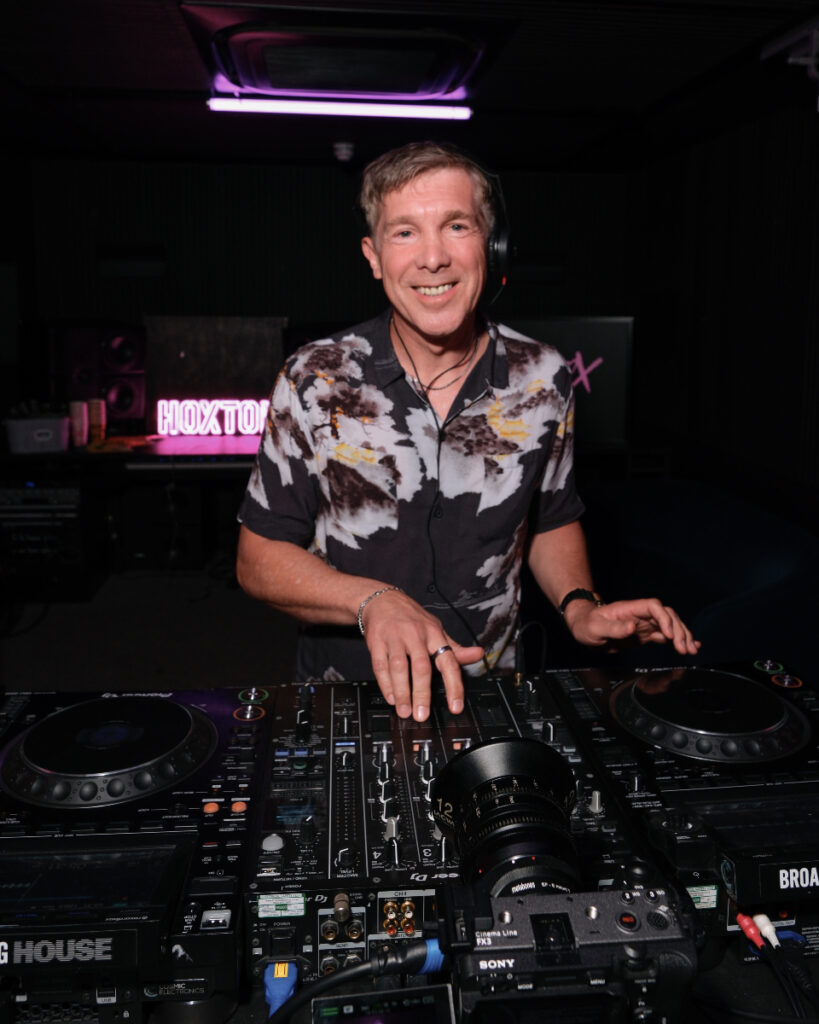
Parlando del tuo lavoro e delle nuove produzioni: oltre all’album che sta per uscire, cosa possiamo aspettarci nei prossimi mesi e anni?
M: Se tutto va come previsto, l’album nuovo esce il 30 maggio. Come il precedente, Optimism, sarà molto vario: si passa da tracce soul lente fino a pezzi house più diretti. Però questa volta ho spinto un po’ di più sull’evoluzione del sound.
Una traccia, Universe, uscirà anche come singolo e dovrebbe uscire con Toolroom Records, perché è un po’ più “tosta” rispetto al mio standard, ma sempre con quel tocco funky. È molto funky.
La sto testando da mesi: l’ho suonata a Ibiza, in Croazia, sui boat parties… Poi torni in studio, faccio qualche ritocco, sistemi i dettagli, finché non sento che è pronta. Sono davvero carico. Ci saranno pezzi più emotivi e altri che ti faranno venire voglia di ballare senza freni.

E purtroppo siamo arrivati alla fine dell’intervista, quindi parliamo della tua creazione più recente: Optimism. Com’è nato? Qual è stata la storia dietro l’album?
M: Era un progetto che avevo in testa da tempo. Poi è arrivato il COVID e ho pensato: ok, adesso è il momento di scrivere seriamente, di mettere insieme idee. Piano piano ho iniziato a collaborare con grandi voci, soprattutto a New York: Kelly Sae e Tatiana Owens.
Insieme abbiamo creato brani di cui sono davvero orgoglioso. Li abbiamo anche testati dal vivo. Ho deciso di investire in una sezione d’archi a quattro elementi, una sezione fiati, batteria suonata dal vivo combinata con quella programmata: un ibrido.
C’è anche Derek Mackenzie dei Jamiroquai, su quattro tracce del nuovo album. Volevo che si sentisse l’anima reale della musica. Ma allo stesso tempo la produzione resta abbastanza potente da funzionare in un club: non sono versioni “deboli” da album, devono colpire forte.
Mi sono divertito tantissimo a farlo. Forse il brano che ha avuto più riscontro è “Fly Away”, che è un adattamento di un pezzo di Stevie Wonder. Ci è voluto un anno e mezzo per ottenere i diritti di pubblicazione. Quindi grazie Stevie per aver dato l’ok.
È un pezzo che mi chiedono spesso quando suono, e ha funzionato davvero bene.
Lo suonerai a Roma?
M: Certo che sì!
Se dovessi scegliere tre tracce dell’album: una per aprire il party, una da peak time e una per chiudere, quali sceglieresti?
M: Direi Invincible per scaldare l’atmosfera, poi sicuramente “Fly Away”. Per la terza è difficile… forse “Ivy”, oppure “You Got to Remember”. Una di quelle due. Sono davvero orgoglioso di questo album. Oggi pochi producer dance fanno album così, anche perché costano tantissimo da realizzare.
Grazie mille per il tuo tempo, Michael. Non vediamo l’ora di vederti a Roma!
M: Grazie a voi per le domande, è stato un piacere. Ci vediamo a Roma!

ENGLISH VERSION
On the occasion of his long-awaited first performance in Rome at Lanificio 159, we sat down with one of the true giants of British vocal house.
If the name Michael Gray doesn’t immediately ring a bell, there are only a few possible explanations: you’ve been living under a rock, you’ve never quite embraced club culture, or — perhaps worst of all — you’ve spent years dancing without ever checking the names behind the records you love.
Because Gray is no ordinary name. A multifaceted English artist, he stands among the leading figures of Glitterbox and Defected, is the founder of Sultra Records, and one half of the acclaimed duo Full Intention alongside John Pearn.
With an extensive catalogue that includes tracks such as “Borderline,” “Chasing Shadows,” the album Optimism, and an impressive body of remixes, chances are he’s responsible for at least one of your all-time favourite dancefloor moments.
As anticipation builds for the release of his forthcoming album – and with his Roman debut finally on the horizon – we took the opportunity to ask him a few questions, in our own unmistakable style.
What we discovered was more than a celebrated DJ and producer: we met a genuine soul, a gracious man, and above all a true artist – someone who, beyond trends and accolades, remains deeply committed to the spirit and emotional core of the music he creates and plays.
And to let you experience the same insight we were fortunate enough to gain, we are proud to present our full interview with Mr. Michael Gray.
P: Hi Michael, welcome to Parkett! How are you? First of all, how are you and how things are going these days?
M: I’m very well, thank you. I am in the middle of writing and producing my album. It’s nearly finished and it gets released at the end of May. So, I’m very excited by that. And between all that, I’ve been DJing as well,of course, and remixing quite a few tracks as well, a lot of disco tracks. So I’ve kind of got two albums. One’s going to be a remix album, and the other one is going to be all brand new stuff, which I love doing as well. Live string section, live horns, live drums, that kind of thing. So in answer to your question, yeah, busy.
P: My actually first question is a personal question. Before being Michael Gray, before being Full Intention, before all these things, before being a main staple of British house music, Who’s Michael before being Michael Gray?
M: Well, the funny thing is I’ve been DJing since I was 12. So I did grew with disco music and this would be the late ’70s, early ’80s, and that’s all I’ve done. All I’ve done is DJing every month. My parents and my dad organized events at our church hall. And then I did all the school disco parties, then I was in clubs at 18 in London, and it just went from there. And I’ve always had that bug ! back in the early ’80s, everything was megamix, so it was all about mixing, where it was very new and not many people did it. A lot of people picked up the microphone and say something and went to the next record, but we were all trying to mix these vinyls, which was even harder because obviously a lot of it went out of time because a lot of it wasn’t even drum machines then. So in all honesty, I’ve lived and breathed music since even before the age of 12, but I was, I suppose you call it semi-professional, in my teens. The moment I hit 12, 13, 14, I was already DJing a lot. I’m quite a family man, so I’ve got 3 boys, and what’s great now is they’re in their early 20s and they come to a lot of the gigs. I spend a lot of time with them, particularly one of my sons at the moment, Ethan, because he started DJingas well and producing, and I manage him as well. So I’ve got a lot on actually, thinking about it. Too much
P: That’s very interesting. I mean.. few high-level DJs can manage to perform and being DJs with being also family men. So it’s a great achievement, I think.
M: Yeah, when the boys come along, I didn’t DJ every single week and certainly not twice a week, not every friday and saturday. Before they came along, I was able to do 5, 6 nights or sessions in a week. But when they came along, I took some time out. In fact, when I made The Weekend in 2004, I actually stopped DJing for about 2 years because 2 of my boys are twins. And so we had basically 3 boys under in the space of 18 months. So it was so full-on that I stopped DJing so my wife and myself could try and be this unit of looking after. So family comes first. But however, now thatthey’re all grown up, that’s where I’ve sort of…not resurrected myself, but come back again. And I don’t feel I need to rush home after DJing. I don’t have to return home from various countries to get to the boys because they’d normally come with me anyway. So it works out quite nice. My fiancée is coming with me in Rome, And if I play in London, my sons come they come with their friends. When I do my Sultra parties, they come as well. So it’s a great feeling. I never thought I’d still be DJing and my kids would be coming. I didn’t think that would, you know, at my age, and my kids would be coming. I thought it wouldn’t happen, but it does. And they love disco. They love house music. What dad couldn’t wish for more?
P: Well, I cannot imagine, actually. Talking about your career, you’ve been playing both solo and as Full Intention in a lot of clubs, a lot of countries. Where did you find, if you have to pick one, the most enthusiastic crowd whenever you got to play in that club or in that country? Or maybe also, what is, I think, your favorite club? Like, if you have like 3 gigs all the same day in 3 places, which is the place where you wouldsay,: this comes first?
M: when I was DJing with John Pearn and making records as Full Intention, we used to love playing Pacha in Ibiza. That was one of our favorites. And also this very, very small club in the UK called Out in the Sticks, and it was out in the sticks, you know, you had to drive miles to get to it in middle of nowhere. And the crowd were just amazing that we could play the most upfront set and they stayed with us, which was fantastic. Moving on to now, I’m enjoying DJing more than I’ve ever done. The clubs that I love playing is Glitterbox at Hi. Obviously it’s going to be moving to Amnesia this year. I love playing at Croatia. There’s so many clubs, that I really, really enjoy. My favorite party at the moment is my own Sultra Nights. I’d say that’s probably my favorite, which at the moment we’re just doing around London, but we want to branch out. I do have loads of good memories. I remember when as Full Intention, we put our first record out, “America”. I think we came out to Rimini. That’s why I’m suddenly thinking of Italy, you see. and I remember being on a boat, you know, like boat parties and playing at some amazing clubs, really, really good. And that would have been 1995.
P: The time has passed and also the Ibiza scene has changed dramatically. Is there some act, like DJs, colleagues, or parties that you’re missing right now? They’re not active in a way, ex. Copyright, Junior Jack, or people like those guys, people that were part of the scene, and now have changed their paths, or parties that you were attending or playing to… Is there some of those acts or people that you’re missing right now and you would say, “Oh, this party is perfect, but with them would have been complete”?
M: Yeah, some of the acts you mentioned have gone, some have gone into management, some are still DJing but not as much, and some I think are sort of coming back into a revival time now, where people are like, “We want to hear that stuff.” We all went through a very dark period, I mean us people who made vocal house and house with groove, wdisco, call it whatever you want. About 2011, 2010, electro come in, then we obviously went to EDM. And a lot of us completely dropped out of the scene, DJs and producers, and I just said, “I can’t do this, this is soulless.” And a lot of us are all from a soul background, so if the music hasn’t got soul or it doesn’t groove, we don’t really want to know, .A lot of us said “we don’t want to play to a load of people jumping up and down to a record. We want people to actually dance to a record, you know, wave their hands, yeah, go crazy.” But EDM brings that jumping up and down, which is— I thought, “that’s not me.”,or everybody just waiting for a drop. You know, and then until the drop comes, they go on their phone and you think: “I can’t DJ to this.”, “I cannot DJ anymore to this”. I don’t care how much money you pay me, I’m not doing it. So I even dropped out of it until 2016, and then I just completely kind of reinvented myself. And it’s not just me who did it, you know. And then obviously, thank God for Simon Dunmore setting up Glitterbox.I— and obviously people like Horse Meat Disco and Dave Lee, who were really, really good with sort of keeping that groove going. And it’s just opened up the doors again, and it’s a fantastic thing. Now I’m DJing to an age group of anything between 18 years of age and 65 years of age, and everybody’s together. Some of the gigs I do We’ve got families there. We’ve literally got, you know, mum and dad, some of their mates, and their kids, and everybody is enjoying it. And, you know, a lot of, you know, my sons say “we like it when it’s a mixed age group now.” Things have changed a little bit. It’s not so, you know, so I personally, I’m having the best time DJing at the moment. I’m playing what I want. And normally I’m playing to the right crowd, so it’s good.
P: There was something really interesting about what you were saying. I remember Simon Dunmore once, when they dropped out from Ibiza and concentrated on Croatia, they were defining their choice as Ibiza was too invaded by the, he said, obnoxious techno. I’m not taking away anything from those guys, I’m not taking anything away from people that play progressive house or EDM, Axwell, those kind of guys, they’re amazing producers, they’re doing what they want. And also they come from a soulful background with Soulfuric, with Brian Tappert and all the soulful involved folks. But i have like the impression that techno, trance, and progressive were all together with house and groovy house back in the ’90s and in the first 2000s. It was basically EDM that was a wrecking ball that merged and maybe get through anything that was known in that time and changed the whole algorithm. What’s your opinion?
M:I’d say definitely EDM was the wrecking ball. That’s exactly right. it’s such a shame. But now I think it’s changed. In a lot of cultures, EDM is a dirty world. It’s quite funny. I think in America, a lot of people will say EDM is just electronic music. So they still see it as just house. But in Europe, in the UK, we see EDM as hard and more aggressive, heavy synths and kind of that sort of thing, grooveless. But it’s funny, everybody got their own interpretation. But what we know as EDM, yes, definitely killed a really just a good scene. But I think it’s coming back. Has come back, not coming back, it has come back and it’s great.
P: And this basically leads to another question. What is your feeling right now with the whole Glitterbox and Defected initiatives in house music and in the house music world? They launched Glitterbox, so they made a space for disco music and made all those people that grow up with clubhouse and Vocal House to have a place where to express themselves. How do you feel about the whole project?
M: It’s brilliant what they’ve done, absolutely brilliant. And if there was no Defected or Glitterbox around now, it would be a real, real shame because I think a lot of people have seen that, you know, it’s not just that the records they sign are good, And it’s just created this scene, and not just a scene for a certain age group, it’s brought in a much younger age group who might have just gone over to the dark side of EDM. So it’s good, and that’s why I love it. I love it if I see younger crowds really loving good vocals, singing along, and really getting into a groove. That’s the thing for me. So going back to Glitterbox and Defected, yeah, fantastic what they’ve done, and particularly Glitterbox for me. Yeah, definitely, definitely worked for me.
P: And getting to the hot topic, how’s your relation with The Weekend?
M: I went through a period about 2012, probably roughly about that, where I didn’t want to play it. I stopped DJing because I was getting booked into clubs where you got there, and I suddenly found out that clubs that were a bit more commercial booked me only to play The Weekend and records like that. The bottom line was that I make records just for club music. That record just turned into a hit, the same with Borderline and a few others. I like playing club music, I like playing new records as well as old and classics and stuff, but I don’t want to play a load of pop house tunes. However, now, 2016, ’17, there was a lot of kids started playing it, young DJs, and then bigger name DJs, even Carl Cox was playing it. I was thinking, “Oh, this is interesting.” And it even gets wedged into techno sets, which is quite funny, particularly at the end. So I could have never thought that would have happened. And now I’m very proud to play it, and I play it, and I have no problems about playing that record. But at the same time, I make sure that I wouldn’t play a load of pop house records up against it. The crowds are coming for the stuff I’m making now, the tunes I’m making now, I’d like to think anyway, and for the records I’ve remixed, and then obviously I’ll still drop in The Weekend and stuff like that. But I don’t play The Weekend on every set. If it’s my own Sultra night, they’re a very, very upfront crowd, they come to all the nights, so they don’t really want to hear it again. But if I play somewhere new, of course I’ll play it.
P: And The Weekend leads us to two roads. I mean, The reason why I kind of prefer more Borderline than The Weekend is because in Borderline your sampling technique of Chapter 8 was more neutral than the one to Oliver Cheatham’s Get Down on Saturday Night. How do you feel about sampling? How do you feel about taking an iconic track, like a disco track like Chapter 8 and turning into a new whole piece. What’s your relation to it nowadays?
M: Nowadays it’s very rare I sample anything. Maybe the odd thing, you get it cleared and that could take about a year sometimes. But in terms of Borderline, yeah, I’m really pleased how that came out. When I made it, I didn’t want another weekendsounding record like, I don’t know, Friday Night or something like that, some title like that would be too obvious. So I did want to do something a little bit deeper, and it was also to coincide with the album that I was making at the same time, so to show the different sides. But yeah, Borderline and the Chapter 8 sample… I mean, that’s a really, really slow record. I remember when I come up heard it and I thought, “These strings are really emotional, they sound really, really good.” So once I time-stretched them up, and don’t forget back then it took a bit longer to do, it’s not like it’s all sorted out in about 30 seconds when you sample something. It took longer, you have to really think about it. We did actually got to replay the strings and they didn’t quite sound as good as we would have liked. We went back to the original label, my record company did, Eye Industries, and we cleared the whole sample and the publishing. But yeah, a lot of people don’t realize it’s Chapter 8.
P: And talking about your past productions, is there some productions you’ve done as Michael Gray that you had wished it had more success? And I’m thinking of a tune precisely, which is Walk into the Sun.
M: Well, with Walk into the Sun and the other tracks that are on that album, back then everything in the UK was geared around getting on the Radio 1 playlist, in the BBC Radio 1 playlist, and we went with the third single called Somewhere Beyond. We were either going to go with Walk into the Sun or Somewhere Beyond. We went with Somewhere Beyond, did a great video, which is my favorite video in all honesty. And then Radio 1 said, “We’re only going to C-list it.” So that’s quite low. So the record company, I think, got a bit concerned and they decided to pull it and wait to the end of the summer. The end of the summer came and they still didn’t put it out. Now the trouble was that my whole album was finished and it was all riding on this release. So what happened is the album never got released and Walking to the Sun was on that album, and then it would have been the full single. So it never got a single release. And it’s not until about 2012, ’13, I got the rights back for the whole album., and I was able to give it to a company called Altramoda, and then they released it on iTunes and everywhere else. So that’s the first time apart from Japan, Avex in Japan had the album. The only people had it, and it’s very frustrating thinking no one’s getting to hear these records, no one’s getting to hear these records.
P: There’s another question I would like to ask you, and I’m gonna pick another track you have done that I think is genius, which is Chasing Shadows with Daniel Senior. Comparing with the new Sultra record, which was Keep Moving On. These records are very different, what is your inspiration and how did they came out?
M: Now, when I produced “Chasing Shadows”. EDM was everywhere. And again, it was one of those records that kind of got caught and didn’t kind of go either direction. It wasn’t a soulful house record because that was the alternative back then, soulful house or EDM. That’s how it felt anyway to me. So as a producer, you are thinking, who am I placing this record to? But it did well, but nothing compared to what it probably could have done. Maybe one day I’ll revisit it, remix it. So yeah, I do remember also that when we recorded Chasing Shadows, we had to do two versions, as we had to bleep out a swear word haha. I like things to be obviously soulful, but I like things to have an uplift to them as well. So even though you’ve got one part of it feels sad and you’re thinking about it, there’s another part that also uplifts you. And if we’re talking about classic tracks, not that I wrote or produced it, that does that is Tears, Frankie Knuckles and Satoshi Tomiie. Of course, that feeling of sad and happy, euphoric, all built into one. Those are the sort of records I find I enjoy doing the most. Yeah, with Keep Moving On, She was with Sounds of Blackness. And I sent her the backing track and she wrote that all herself. I didn’t have her hand in the actual writing and when she sent it back, I thought, this is really good. I’d also decided to come back and go with this sort of disco sound. And that was one of the first records on my solo track. In fact, I think it was the first one on my new Ultra label. So yeah, really, but that was the start of it really. That was the start.
P: So taking back now on the Full Intention side, can you describe me how the project started and which was the idea of Full Intention at first?
M: Okay, so before Full Intention we had a pseudonym called Hustlers Convention, which was very much a disco cut-up sort of thing. And it was good, I thought these records are selling well, a lot of them, we did these Eps.. but then I felt like, “let’s see if we can toughen up this disco sound and make it a little bit more minimal, but tough.” And I remember I was on holiday thinking: “we need a new pseudonym, we need to get to more DJs like Pete Tong and some of the big room DJs, to play these records.” And That’s when we come up with this. This started doing these EPs, Full Intention…Intention, I got the word into Full Intention. The Intention came from a group called Serious Intention, which I call a proto-house sort of group by a guy called Paul Simpson. And then the Full, I just thought we’ve got the most, you know, Full intention just sounded good. Our first single was pressed up in America, in New York, because we wanted people to think that we were American. Because back then, if it was a house record, it tended to be a lot of piano-driven, I don’t know, that kind of thing. It was just different. And what John and I were making was kind of very pumping, groovy stuff with a real New York edge, that you might hear on a very early Subliminal Records or stuff that Express 2 were making back then, that kind of groove. It’s still soulful, but yeah. Anyway, we managed to fool a lot of people because if you look at the— not the copy you just showed me, but if you look at the import of I Love America, you’ll see that I am— my name on there is produced by Curtis Silvers. I made up a name. And John is Herb Scott, and there’s no mention of our original names. We wanted to fool all the DJs that we were from America, and it worked. We had everybody from Armand Van Helden to Pete Tong, whoever. Now, whether it was because they thought it was a good record and thought: “well, we’re going to play it anyway, but we didn’t want to take the risk.” It was quite funny because when we started DJing, you know, people would say to us: “oh, you’ve come a long way from America, you must be quite shattered.” We were thinking: “No, we haven’t come that far.” You know, when we got booked in the UK and they thought we were from America, so we let that run for a little while and it worked in our favor. So sometimes, every now and then, you have to reinvent yourself.
P: I see, I see. Also staying on the Full Intention topic, you had also a successful record label where you released massive amounts of great quality remixes, Dtension. One of my favorites is Deep Inside. Then you had I Believe in You, which was a massive club hit back in the days.. But they’re different tracks. If I also compare them to “Icon,” in 2013, that’s a whole different thing. So if you have to find like a line between these 3 records and all the records you released as Full Intention, considering also the remixes you’ve done for George Michael and the pop artists, what would it be? Like a club-ish way of reinventing stuff or pumping up the crowd? Being listened and also listed by big room DJs and things like that, or other things?
M: I’m proud of all of them. When John and I sort of decided to come back and work together, we went down this deep house route because everything has gone deep house. It was either deep house or EDM. So we went down and people said, “Go back and do what you originally did in the early ’90s, and a bit deeper.” So we started doing that and I enjoyed it, but I was finding it frustrating not being able to put in some major chords and lift everybody. Everything seemed to be just on this level, and I thought, “I can’t do this for the rest of my life, make records like this.” Hence obviously 2016 it changed and I started doing the disco stuff and some solo stuff. But I think I’m most proud of, and I’m sure John will be the same with our Full Intention stuff, is things like a Duke, So In Love With You. And the Full Intention EPs, Deep Inside.. that was getting towards the end. There’s a track called Records Like Dancing that we play even now that works, but at the same time, we’ve had the best time remixing some of the best pop artists on the planet. We did 2 singles for J.Lo, we did Brandy…countless. We couldn’t believe how much work we were getting, and it was insane. And we were getting the calls direct now from Atlantic Records in America and all those big labels coming directly saying: “Right, we want the house mix for America.” Normally you would get the UK record company who’d licensed it asking you for their mix, but these labels were coming to us directly and we couldn’t believe it. Even when we did one of JLo’s records she turned around and said: “can you send us the TV mix?” For those who don’t know what the TV mix is, it’s basically a version without her lead vocal in. It’s got all the backing vocals in. Now J.Lo wasn’t doing house. These were R&B records we were remixing. So we were so chuffed when we found out she was doing her actual TV performances, live performances with our mix. And to us, it was like :”Wow, we’ve got something here.” It was a fantastic situation. But again, you know, I got to about 2002 and I just felt like a machine remixing, after remix, after remix. And a lot of record labels would go: “could you make it like the last one?” Well, once you start doing that, your creativity is starting to go out the window and you feel like:”Oh, no, I’m a machine now.” This is what inspires me: “you get an idea in your head and a style and you go with it. And if it works, it works. If it doesn’t, it doesn’t.”.
P: So you’re all about the soul, actually. Your inspiration is the soul.It’s a soul in track.
M: Yeah. for example, if someone turned around to me and says: “I’m going to give you £5,000 to work on this track, this pop artist, or I’ll give you £500 to work with a soulful artist who’s probably not going to, you know, they’re not going to hit the charts with this.” I choose the soulful artist every time. I’d rather have less money but know in my heart that I’ve made records that touch my soul and hopefully touch other people’s soul. I think, if a record’s good enough, it will slowly get to people, especially now we’ve got Spotify. People start looking back at that catalog much easier. They don’t have to source out vinyl and stuff. And then they realize, “Oh, I like what this guy is doing,” or hopefully anyway “I like this sound, I want more of it,” and then they start looking. And that’s what’s happening, I think, now, as opposed to just going for the big money and trying to have that hit. I had all that back in the, you know, after The Weekend, where the record companies are wanting these hits, and you’re thinking, “I’m not enjoying this anymore.”
P:That’s basically what happened with Be Yourself in 2016, I think it sums up perfectly on what you were saying about merging deep and groove and soulful elements. Right?
M: Yeah, thank you. I mean working with Josh By the way, Josh and Blaze, that was just a dream come true to work in. We worked in New York for a couple of weeks. I worked with them most of the time, and the stuff that the lyrics they were coming up with over our chords was just amazing. Really, really good. You’re bringing up some memories here!
P: I want basically this interview to be complete. I mean, I want everybody to know you are much more things besides The Weekend. So, last question about Full Intention: I suddenly lost traces of it. Are you two still together or you decided to split up and why did you decide to do either one or the other thing?
M: John and I remained friends from the beginning. You know, we’ve always enjoyed working in the studio together. Never had any problems whatsoever in the studio. We have a good working relationship. Again, we both have things that we want to do separately. John has projects, you know, you probably might know him for one of his big hits was Bodyrox. I also want to do solo projects., I wanted to produce a band, and I had this sort of funky punk thing I wanted to do, so we made up this band called Portbella, and we sold it to Island Records, and I had a lot of fun doing it. Sometimes you need to just move away from something and take a break.And obviously John and I both have a big catalog to look after. There’s people now come to us, we’d like to sample that track or cover it or something. So as a business model, we still have lots to do. And John only lives around the corner from me, we’re not that far. So it’s all good, but we both have things. And at the moment, my solo thing has taken over everything really in in terms of the style I’ve set to do. So, and DJing as well, I just don’t have time to DJ as anything other than my solo stuff, particularly when you’re, you know, my last album Invincible I released just under 2 years ago, you know, people want to hear some of those records when I’m DJing, and the whole point of DJing is going to play new records or records you’ve just made and So you’ve got to promote these things. So you can’t just make them and then sit at home and not go out and play them. So hence that takes a lot of my time up as we
P: So we can consider it a hiatus, maybe.
M: more like a pause from producing and things, but it’s still a thing.
P: I’d say we’re waiting for a new Full Attention tracks then.
M: I don’t know where that’s gonna be though, who knows.To be quite honest, that’s a hard one to ever answer. I think the thing is, sometimes it’s best to leave things in the past. When we did go back in 2013 and we started making records together, it was good, but it’s very hard to keep and try and do the sound that you had in the ’90s, because it was a certain sound. But the best thing for us, I think, is how many people now are discovering some of those old records. We’ve got one at the moment, a track we remixed by Milky, and it’s called Just the Way You Are, and it’s just gone viral. And we didn’t even know. John text me a couple of weeks ago, says, “You’re not gonna believe it, but our Spotify has just gone through the roof with this record.” So you just don’t know, and that wasn’t to us, I thought, “Yes, good record,” back then when we remixed it. I think it was about 2001. Because that was Italian label, wasn’t it? Great label, it’ll come to me in a minute
P: Motivo?
M: Motivo, that’s it, yeah, yeah. And I listened back to it the other day, and I re-edited it so I can play it out. My son said: “Dad, you’ve got to play that out, you have to play that.” I said, “I’m gonna, I will play it out,” because he says it’s everywhere. And it’s a great feeling, you just don’t really know. And the thing is, if we went back to recreate that record, it probably wouldn’t be as good.
P: I was listening to it last time when I was digging through my vinyls for a leisure time, and actually one of my friends also said this record should have given more. And actually it’s also because of that, because there’s a new remix coming out, or it came out, so basically it went out of the roof, as you say, as you were saying. What’s the difference, the main difference you can spot in the entrepreneurial side between managing Detention and Sultra Records?
Michael: Well, Dtension Records was John and myself, and we kind of managed that, and we were signing other artists, but I was finding with Dtension that I didn’t have time to A&R other artists. Back then, it’d be on the phone, listening to something down the phone: “change that bit,” “change this bit.” I was thinking: “I’m spending too much time to that. I need to get on with my own records because I’m one of these producers who like to sit in the studio 5 days a week”. That is what gives me my adrenaline, as well as DJing, of course. And there’s no time for anything else. I’m not a— we’re not record label owners and that’s it, and DJ at the weekend. We physically make the stuff, you know. We don’t pay anyone to make it. We do it. So with Dtension, going back to that, that’s very much— so John and I, and we were signing other tunes, and all those records were coming back through a company called Strictly Rhythm in America, in New York. We were the only UK artists with a record deal with Strictly Rhythm, with a distribution deal. So we were quite lucky about that. So, and then go fast forward to Soultra. Soultra really is records that I’ve made on my own. It’s just a platform so I can release my own records. I can control it. I keep my catalog. And there might be the odd record I remix of somebody else’s, then I’ll sign it because they say, would you put it on Sultra? So I get a lot of offers, people offering me records, would I like to sign them? But I just put them onto Big Love or Defected and say, “Well, try these guys because I’m not signing,” only because I couldn’t give them 100.
P: I see, I see. So it’s a matter of time, basically, a matter of time, matter of attention, also respect to the artists, which is something that basically today is not taken for granted.
M: Yeah, exactly, yeah.
P: So now that we have this great adventure in the past, getting back to today, how do you feel about the scene today? How do you feel about the crowds today, the younger crowds, the older crowds?
M: I would say at the moment, and certainly for the last 3 or 4 years, I’ve had the best time ever DJing. I would say majority of the time the clubs are packed or sold out. It’s varied, like I said earlier, it’s varied. The age group is literally 18, 19, 20, right up to— it could be up to 60. Sometimes I play some clubs where it’s no one’s over 25. And my set is slightly adjusted for that. It will be slightly adjusted because they’re not going to know some of these grooves and they don’t want to be taken on a groovy journey. It’s not going to work. The attention span is slightly shorter. I don’t know why. There is the phones, of course. What seems to work really well, I find, is that when it is a mixed age group, the phones don’t come out as much. The phones will normally come out when I play The Weeknd, of course, and that’s understandable, but that’s kind of normal really, I think. And any record that you’ve made that’s a bit bigger than the others, I suppose. But I really love it. I don’t mind who I DJ to, what age, as long as they dance and they don’t spend too much time. I don’t like it when I see people looking down on their phones and texting someone. I’ve watched that sometimes before I’ve gone on, and I’m thinking, why do you need to go to the dance floor to do that? It’s called the dance floor. The word dance is what’s, you know, it’s not the texting floor. Uh, so, and that’s the only thing, you just think, I, it would be great if a lot of those, you know, some countries are doing it now, aren’t they, where they’re, um, some, sorry, some clubs are doing where you lock up your phone and your phone gets taken off you. But it’s a tricky one, isn’t it really? Because sometimes you do want to remember some of the best memories with the phone. But then some clubs I play, like there’s one in Madrid I play, young crowd, no one’s on their phone and they don’t have to hand the phone in. They’re just there for the music. And that is really, really encouraging. I love seeing that. Just thinking, this is brilliant. You know, the only person with the phone is probably my girlfriend who’s filming me and everybody else. And a lot of them say, could we have some of that footage? Or we’ll put it on Instagram and then they can just take it. And 10 to 1 they’ll see themselves at the front anyway, so everybody’s happy. Now you’re talking about AI.
P: And how do you feel about the advent of artificial intelligence in dance music?
M: Well, in music production I don’t have a problem if it’s used in the writing process. Sometimes it’s quite hndy, you want to find lyrics or something like that. A lot of even writers go to that. What I don’t agree with is where people are making full-blown tracks out of it and putting them on line and selling them. The singer doesn’t exist, and there’s no way they could pay the record. And you kind of know now, you reckon the artwork is normally AI, so you normally know if the artwork’s seriously AI’d— is that such a word? So polished that it’s quite possible that that record is also an AI and it’s trying to find out. They’re too slick and that’s the problem. And there’s, you know, some people are doing it really well. So I don’t agree with that, but I don’t have a problem with someone getting snippets of it because that would be no different from us when we were sampling back in the ’90s. You know, we were sampling bits of records.
P: And talking about the side of the production itself and the younger DJs.? when you find a new producer that comes to you with his record and you listen to it, which are the differences? Let’s say you listen to a bunch of it, and which is the main difference you can spot rom back in the days to nowadays? I mean, considering the producing side, the techniques, the groove, and the the tendencies, which is the main difference you can spot, or maybe the thing you like the most, the thing you like the best for back in the days, comparing back in the days?
M: Yeah, interesting. I mean, a lot of stuff I’m hearing from a lot of the younger producers, it’s really good. I play it. I don’t care who’s made it. If it sounds good, I’ll play it, and that’s it. And I know quite a few of them like that kind of ’90s side of groovy minimal sound, which is kind of where we started. So it’s quite interesting hearing that, almost lo-fi. So I quite like that. And as long as it grooves, it’s got a groove or a hook or a nice vocal, and it feels like it’s uplifting, then yeah, there is a lot of good stuff. I’m not crazy about when someone samples a whole big chunk of records. Let’s say a Shalamar record, an old ’70s record, and it’s got verse, chorus, and everything apart from the drums is all Shalamar, for example, or one of them. And they then put their name to it. I mean, why do you do that? It’s not Shalamar and that’s your remix. That’s a whoever-you-are remix. This is not just young producers, I’m talking about anybody. Those are the only ones I’m not too— it’d have to be really good for me to play it, have something a little bit different, because I think that’s why I admire producers who go and dig a bit deeper, even if that track’s a bit minimal. I prefer the fact that it’s organic and they’re trying.
P: And getting back to you, you said you were reinventing yourself, but how do you feel is the thing that mostly changed in your approach into DJing and producing from back in the days nowadays? In what aspects? You said you invented yourself, but in which way? I mean, okay, your sound changed, of course. What is this something helped you in this process and that you feel you’re mastering now?
M: Yeah, I mean, I’ve learned one thing is stay in your lane. Don’t try— if a new fad comes along, music fad, or people say, oh, everybody’s making that style of music now, I don’t really care. I thought, well, let them. That may be popular and it’s number one in whatever. I’ve learned to just to keep in my lane, and, you know, and I should have done that back in the EDM bit, but that was hard. However, yeah, so I’m very comfortable with how things have worked out. I enjoy making records just as much as I did in the ’90s and the ’00s, and the only difference is I don’t need a huge studio to make it anymore. I love the fact that I can make records on my laptop with amazing synths and plugins and stuff like that. If I’m on the train or if I’m on the plane, it is great.
P: how do you feel about playing in Italy?
M: Oh, I am so excited. I haven’t played in Italy since probably about 2005, 2006 maybe, and I’ve never played in Rome. And it’s got close over the years, people say we want to book you for Rome and then suddenly nothing happens. So when I was asked would I like to play Rome, I know you guys did ask me to play just before Christmas, but unfortunately I couldn’t. So I’m glad you came with another date. So yeah, I’m really excited to be playing. My friend Mousse T played there and it looked amazing, so I thought, “Yeah,I’m ready!”
P: And about your work, your productions, and then what we can expect besides from the album? Also, of course, you said you have an album that is almost finished, and what we can expect in the forthcoming years and days, months?
Yeah, so the album, all being well, drops on May 30th, but my album, like my last one, which was called Optimism, I have everything from slow tempo soul tunes right up to straight house records. This will be the same, but I’m pushing the envelope just a little bit more this time. And you’ll see what I mean. One of them, a track called Universe, is going to come out as a single as well as on the album, but it’s also going to be, all being well, coming out with Toolroom Records, because it’s slightly tougher for me. I will play it on Saturday. Slightly tougher for me, but in a funky way. So it’s very funky. I’ve been playing it since— I’ve been test driving it since Ibiza and Croatia, dropping it on the boats or whatever. And then you go home, go back to the studio, tweak it a bit more, do this, and now it’s ready. So I’m excited. So you’ll see there’s hopefully records that make you feel emotional, and there’ll also be ones that hopefully make you want to dance crazy.
M: And unfortunately we got to the end of the interview, so we need to talk about your most recent creation: Optimism.Tell me about the story, how it came out. I mean, you said it’s a range of things. How did it come out?
Michael: Well, Optimism was something I’ve wanted to do for some time. COVID came, and then I was thinking, now’s the time to start just writing some things and getting bits and pieces together. And then slowly I managed to team up with some great singers, mainly in New York, Kelly Say and Tatiana Owens. Between us and with other records, we were able to come up with some, yeah, I think pretty nice songs. And then obviously road tested them. I decided I’d put money into having a 4-piece string section, horn section, put live drums with program drums, so it’s a hybrid. So I had Derek Mackenzie from Jamiroquai on it. He’s on 4 of the new tracks of this new album as well, and kind of just show the real side. But the main thing is the production is still tough enough to play in a club, so it’s not like weak album mixes, you know, sonically. The idea is it should sort of punch through. But yeah, so I had such a great time. But probably the standout record from that, or did the most, probably is a track called Fly Away, which is an adaption of a Stevie Wonder record. And that took us a year and a half to clear that, clear the publishing to get it out. So yeah, so thank you, Stevie, for clearing that. But that gets played a lot, and I get asked to play that when I DJ a lot. So yeah, that’s done well for me.
P: You’re gonna play it in Rome?
M: Yes, yes, I will!
P: If you have to pick 3 records from that album that maybe party starter, peak time, and closing, what would them be?
M: Probably I would say Invincible, that I play, that goes off Fly Away. Oh, it’s hard to check the other one. Possibly Ivy, but it must be a track called Ivy, or You Got to Remember, one of those two anyway. But yeah, I’m incredibly proud of it, and it’s not something a lot of dance producers do, these albums these days, because it costs so much money.
P: Thank you so much for your time Michael. Can’t wait to see you in Rome!
M: thank you for your questions, I had a lovely time! See you in Rome!