

Aquaregia compie dieci anni e ci regala la premiere di “Honeymoon Phase” di Téo Dréan e l’ intervista alla founder Emily Nicoll.
L’impatto della contemporaneità sul passato, il ricordo spezzato e attraversato da un groove ipnotico che percorre i minuti di “Honeymoon Phase” di Téo Dréan, il brano scelto per la premier del V/A che segna l’inizio del lato B di “10“, è l’esempio migliore per spiegare il viaggio sonoro del various artist di Aquaregia in uscita per celebrare il decennale dell’etichetta.
Téo Dréan, originario di Marsiglia, vive a Berlino ed è a capo della label Affûté, il suo sound è una crasi perfetta fra moderno e passato, fra nostalgia e futuro elementi che si affiancano e si intrecciano in “Honeymoon Phase” già dal primo ascolto.
Un Synth compatto come un nastro su cassetta che accompagna l’ascoltatore fino al drop, quando la melodia si spezza e la traccia inizia a crescere fino ad assume i tratti caotici di una società che corre ma che ha le sue radici ben salde in quel groove Techno alla base della traccia.
La genesi di “10“
Aquaregia celebra il suo decimo anniversario con una compilation di cinque tracce che sembra più un viaggio unico e continuo che una classica uscita various artists. Questa è l’intervista a chi ha reso possibile tutto questo: Emily Nicoll, capo e fondatrice dell’etichetta.
Come ha preso forma inizialmente l’idea di 10, ed era chiaro fin dall’inizio che dovesse avere una struttura così compatta e narrativa?
Volevo celebrare questo traguardo, e la musica era il modo più adatto per farlo. L’etichetta non sarebbe possibile senza la fiducia degli artisti che hanno pubblicato qui, quindi mi è sembrato giusto che coloro che hanno contribuito a dare forma all’ultimo decennio facessero parte anche di questo.
Negli ultimi tempi c’è stata una tendenza, da parte delle etichette, a pubblicare compilation molto grandi, a volte con decine di tracce, e credo che questo ne diluisca l’impatto, perché è impossibile per gli ascoltatori ascoltarle per intero. Volevo che ogni brano di questa uscita fosse in grado di reggere da solo, ma anche di funzionare nel contesto degli altri. Doveva sembrare un progetto coeso, non un insieme casuale di musica.

C’è un chiaro movimento sinusoidale lungo il disco, dall’apertura atmosferica e downtempo fino alla traccia finale ambient/acid, che sembra quasi un ricordo che svanisce. Quanto è stata deliberata la costruzione di questo arco emotivo e temporale?
Ogni artista coinvolto in questa uscita ha una propria identità sonora forte e distinta, quindi durante la selezione del roster avevo un’idea vaga di come il progetto potesse apparire. In questo senso è stato un processo intenzionale, ma non eccessivamente pianificato. Agli artisti è stata data totale libertà di esplorare ciò che desideravano nel riflettere sui dieci anni dell’etichetta, e questo ha portato a risultati davvero molto belli.
Il brano “Brudnopis” di Blazej Malinowski, per esempio, propone un acid dal passo basso e trascinante a 105 bpm. Si inserisce perfettamente nell’arco del disco ed è uno dei miei pezzi preferiti in questo momento. Una volta ricevute tutte le tracce, è diventato subito evidente come sequenziare l’uscita, e la storia in un certo senso si è scritta da sola.
La compilation sembra quasi una piccola antologia della musica acid, che tocca epoche e sensibilità diverse, dal sound dei 90’ a forme più contemporanee e ambient. Ti riconosci in questa lettura? Aquaregia ha sempre cercato di abbracciare i molti volti dell’acid invece di legarsi a una sola corrente?
Sì, assolutamente. L’acid non deve per forza suonare in un solo modo, e sia questa uscita sia l’etichetta nel suo insieme lo dimostrano. La techno è sicuramente la base, ma abbiamo pubblicato di tutto, dall’ambient senza beat fino alla jungle a 170 BPM, utilizzando sempre la 303 in contesti diversi. Il filo conduttore è sempre stato il mood complessivo e l’atmosfera che attraversano l’intero catalogo.
Hai spesso parlato dell’etichetta come di un progetto che procede lentamente, lasciando che sia la musica a guidare. In un panorama techno sempre più accelerato e guidato dalle tendenze, quanto è stato difficile, o necessario, mantenere questo ritmo e questa coerenza estetica nel corso degli anni?
L’etichetta ha sempre operato secondo i propri tempi: alcuni anni abbiamo pubblicato di più, altri di meno, dipende davvero da ciò che emerge in modo naturale. Ci sono stati periodi, soprattutto dopo il 2020, in cui il suono che stavamo esplorando non coincideva con ciò che era popolare in quel momento, e questo ha comportato delle difficoltà.
Ma credo che muoverci al nostro ritmo abbia in realtà rafforzato l’identità dell’etichetta. Gli artisti sanno che non c’è pressione né scadenze rigide, e le uscite finiscono per risultare ponderate e creative nella loro purezza, piuttosto che reattive. È un modo di operare più organico, e penso che questo si senta nella musica.
Le uscite di Aquaregia funzionano spesso sia in club sia in contesti di ascolto più introspettivi. Quanto è importante per te preservare questo equilibrio tra profondità emotiva e funzionalità da dancefloor?
Per me è la cosa più importante. La musica da club è effimera: viene suonata per intrattenere, e il singolo brano è meno importante dell’intera notte nel suo insieme. Voglio che la musica di Aquaregia sia intenzionale, musica che possa diventare il disco preferito di qualcuno per tutta la vita.
L’album “Ancestral Posterity” di Troma & PERS1 è un ottimo esempio: è profondamente ipnotico e funziona in pista, ma allo stesso tempo racconta un viaggio narrativo nel tempo che viene premiato anche dall’ascolto domestico. Altri brani, come “Parapiglia” di Nicola Dal Sacco, “Viandox” di Téo Dréan e “Aurora Centralis” di 747, funzionano sia in pista sia a casa in modo diverso: possono essere quei pezzi euforici che definiscono una notte quando li senti fuori, ma anche profondamente emotivi e introspettivi nell’ascolto domestico.
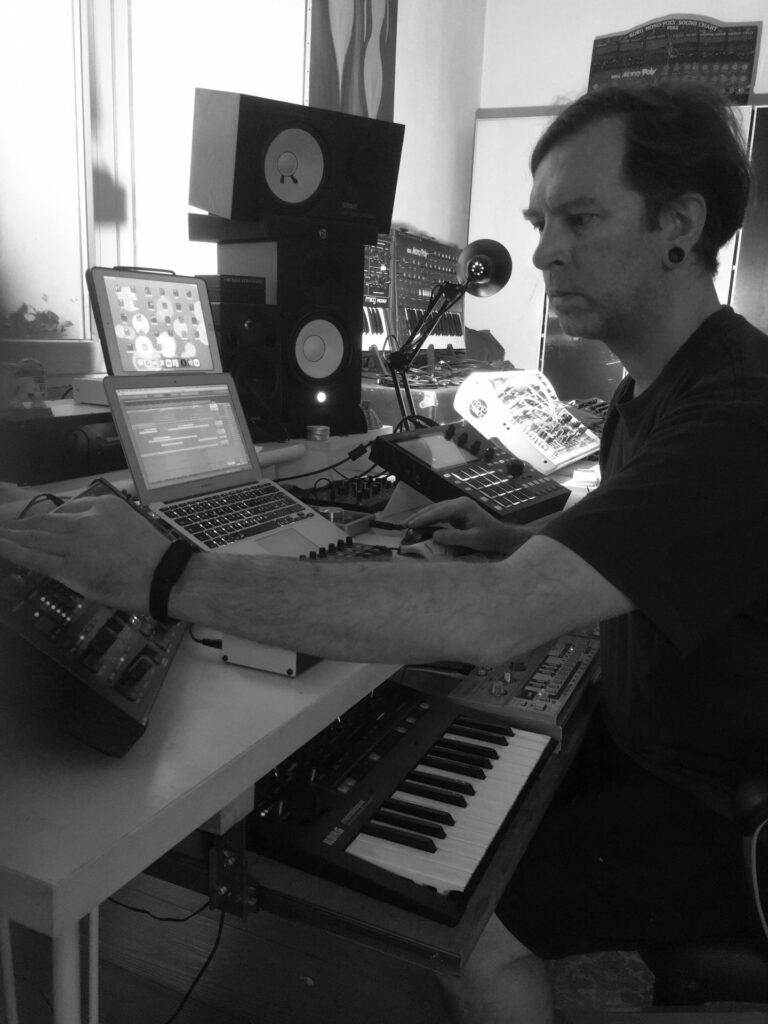
“Decades” di 747 chiude il disco con una nota riflessiva e agrodolce. Per te è da intendere come un atto di nostalgia o come un modo per fare pace con il passato prima di aprire un nuovo capitolo?
747 ha una capacità speciale di catturare malinconia e nostalgia nella sua musica. Le progressioni in tonalità minore, la fusione tra analogico e digitale e le influenze della dance music degli anni ’90 contribuiscono tutte a questa atmosfera, ed è proprio questo che lo ha reso la scelta perfetta per chiudere la compilation.
Dopo dieci anni, in quali aspetti senti che Aquaregia è cambiata di più: nel suono, nel pubblico o nella tua comprensione di cosa significhi gestire un’etichetta?
Dal punto di vista sonoro, credo che Aquaregia sia diventata allo stesso tempo più sicura e più aperta. All’inizio stavo ancora cercando di capire cosa funzionasse e cosa no; ora mi fido molto di più del mio istinto. La tavolozza sonora si è ampliata, ma il sentimento di fondo della musica è rimasto coerente.
Hai definito 10 come “il segnalibro perfetto per questa fase”. Cosa immagini ci sia nella pagina successiva? Questa compilation ti sembra più una conclusione, una sintesi o un punto di partenza?
È soprattutto un modo per celebrare ciò che abbiamo ottenuto finora e per ringraziare gli artisti che hanno contribuito a dare forma all’etichetta. “10”, per me, è come un segnalibro in una storia che continua. Aquaregia si è sempre evoluta lentamente, diventando meno ingabbiata nei generi e più aperta a diversi modi di esprimere idee attraverso il suono e l’arte, pur restando fedele a una chiara identità.
Questo si può sentire e vedere in uscite recenti come “Pacific Spirit” di 747, e stiamo portando avanti questa direzione anche nei prossimi progetti. La pagina successiva riguarda il continuare la stessa evoluzione graduale, esplorando nuovi suoni, nuovi formati e nuovi modi di presentare il lavoro.
ENGLISH VERSION
Aquaregia, its tenth anniversary celebrated with “10”: an interview with founder Emily Nicoll
Aquaregia turns ten and presents the premiere of “Honeymoon Phase” by Téo Dréan, along with an interview with founder Emily Nicoll.
The impact of contemporaneity on the past, fragmented memory carried and reshaped by a hypnotic groove running through the minutes of “Honeymoon Phase” by Téo Dréan, the track chosen for the premiere of the V/A marking the opening of side B of “10”, is the clearest example of the sonic journey behind Aquaregia’s various artists release, out soon to celebrate the label’s tenth anniversary.
Originally from Marseille and now based in Berlin, Téo Dréan heads the Affûté label. His sound is a perfect synthesis of modernity and the past, of nostalgia and futurism elements that sit side by side and intertwine in “Honeymoon Phase” from the very first listen.
A compact synth, like a cassette tape loop, guides the listener toward the drop, where the melody fractures and the track begins to build, taking on the chaotic traits of a society in constant motion—yet firmly rooted in the techno groove at its core.Aquaregia celebrates its tenth anniversary with a five-track compilation that feels more like a single, continuous journey than a classic various artists release.
This is the interview with the person who made it all possible: Emily Nicoll, founder and head of the label.
How did the idea for 10 first take shape, and was it clear from the outset that it should have such a compact, narrative form?
I wanted to celebrate this milestone, and music was the most fitting way to do that. The label wouldn’t be possible without the trust of the artists who have released here, so it felt right to have those who helped shape the last decade be part of this one.
There has been a recent trend for labels to release very large compilations, sometimes with dozens of tracks, and I think that dilutes the impact because it’s impossible for listeners to hear the whole thing. I wanted each track on this release to hold its own but also work in context with the rest. It’s meant to feel like one cohesive project, not a random assortment of music.
There’s a distinct sense of a sinusoidal movement across the record, from the atmospheric, downtempo opening to the closing ambient acid track that feels almost like a faded memory. How deliberate was the construction of this emotional and temporal arc?
Each artist on this release has their own strong and distinct sonic identity, so while curating the roster I had a vague idea of what the release might look like. In that sense it was deliberate, but not overly planned. The artists had complete freedom to explore what they wanted to in reflecting on the label’s ten years, which led to some really nice outcomes. Blazej Malinowski’s “Brudnopis,” for example, brings this low-slung, chugging acid at 105 bpm. It fits perfectly into the arc, and is one of my favourite tracks right now. Once all the tracks were submitted, it became obvious how to sequence the release and the story sort of wrote itself.
The compilation almost feels like a small anthology of acid music, touching on different eras and sensibilities, from ‘90s hypnosis to more contemporary and ambient forms. Do you recognise this reading, and has Aquaregia always aimed to embrace the many ‘chapters’ of acid rather than committing to a single current?
Yes absolutely. Acid doesn’t have to sound one way, and both this release and the label as a whole reflect that. Techno is definitely the foundation, but we’ve put out everything from beatless ambient to 170 BPM jungle, all using the 303 in different contexts, with the throughline being the overall mood and atmosphere within the catalogue.
You’ve spoken about the label moving slowly and allowing the music to lead. In a techno landscape that has become increasingly accelerated and trend-driven, how challenging has it been to maintain this pace and aesthetic consistency over the years?
The label has always operated on its own timeline – some years we put out more, some years less, it really depends on what emerges naturally. There were definitely stretches, especially post-2020, where the sound we were exploring didn’t align with what was popular at the time, and that had its challenges. But I think moving at our own pace has actually made the label stronger in its identity. Artists know there’s no pressure or hard deadlines, and the releases end up feeling deliberate and creatively pure rather than reactive. It’s a more organic way to operate, and I think you can hear that in the music.
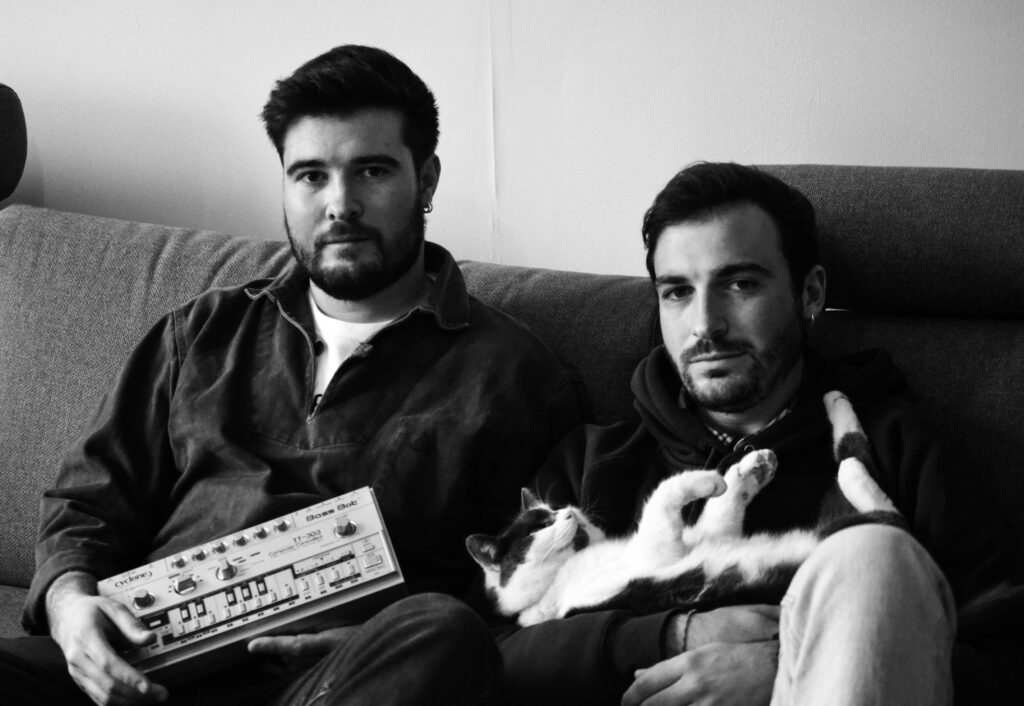
Aquaregia’s releases often work both in the club and in more introspective listening contexts. How important is it for you to preserve this balance between emotional depth and dancefloor functionality?
For me it’s the most important thing. Club music is ephemeral, it’s played for entertainment, and each individual track is less important than the entire night as a whole. I want the music on Aquaregia to be intentional, music that can be someone’s favourite record of all time. Troma & PERS1‘s album, “Ancestral Posterity”, is a nice example. It’s deeply hypnotic and works on the floor, but it also tells this narrative journey through time that rewards home listening. Other tracks, like Nicola Dal Sacco’s “Parapiglia”, Téo Dréan’s “Viandox” and 747’s “Aurora Centralis” fit both the floor and home in a different way – where they can be those euphoric night-defining tracks when you hear them out, but can also be deeply emotional and introspective at home.
“Decades” by 747 closes the record on a reflective, bittersweet note. Do you see this as an act of nostalgia, or more as a way of making peace with the past before opening a new chapter?
747 has a knack for capturing melancholy and nostalgia in his music. Minor chord progressions, his fusion of analogue and digital, and his influences from 90s dance music all contribute to this vibe, and are what made him the perfect choice to close the compilation.
After ten years,in what ways do you feel Aquaregia has changed the most in its sound, its audience, or in your own understanding of what running a label means?
In terms of sound, I think Aquaregia has become more confident and more open at the same time. Early on, I was still figuring out what fit and what did not, and now I trust my instincts a lot more. The palette has widened, but the core feeling of the music has stayed consistent.
You described 10 as “the perfect bookmark for this era”. What do you imagine lies on the next page? Does this compilation feel more like a conclusion, a synthesis, or a point of departure?
It’s primarily a way to celebrate what we’ve achieved so far and to thank the artists who have helped shape the label. “10” to me is like a bookmark in an ongoing story. Aquaregia has always been evolving slowly, becoming less boxed in by genre and more open to different ways of expressing ideas through both sound and art, while keeping true to the label’s clear identity. You can hear and see that in recent releases like 747’s “Pacific Spirit” and we’re carrying that forward through our upcoming projects. The next page is about continuing that same gradual evolution, exploring new sounds, new formats, and new ways of presenting the work.