
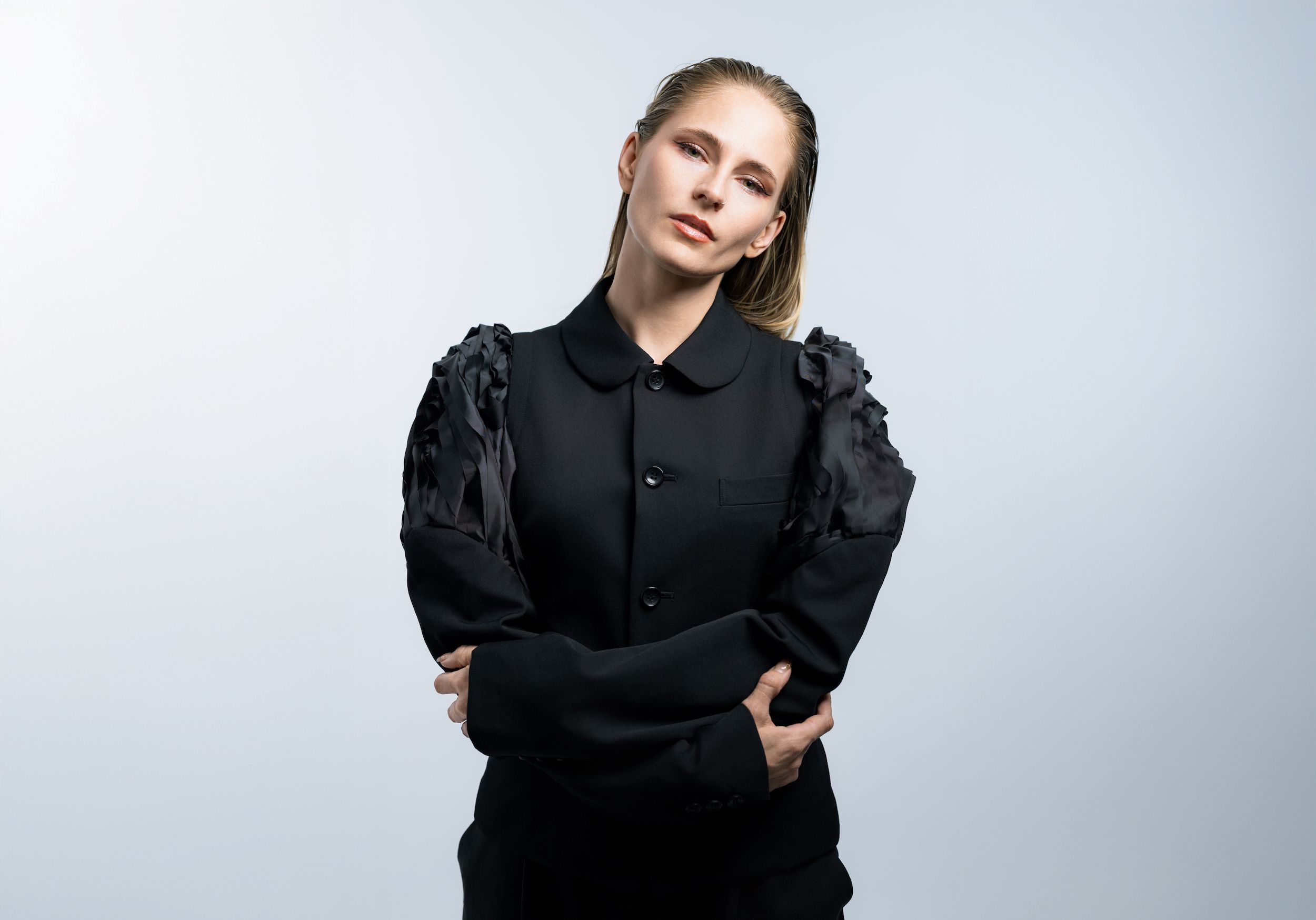
Natascha Polké si racconta su Parkett in occasione dell’ uscita del suo ultimo lavoro “Dawn”.
Quando parli con Natascha Polké hai subito la sensazione che la sua musica non sia un progetto, ma un habitat. Un posto in cui convivono beat che pulsano come un club alle prime luci e melodie che sembrano scritte in solitudine, tra cuffie, bozze vocali e intuizioni improvvise.È
È in questo spazio ibrido e intimo, che prende forma ‘Dawn’, il nuovo EP in uscita il 7 novembre per Universal Music Switzerland, anticipato dal singolo ‘Find Me’. Con oltre 50 milioni di stream e una community che cresce tra Instagram e Spotify, Polké è ormai una presenza riconoscibile nella costellazione della melodic house, ma continua a sfuggire alle definizioni: indie songwriter, producer, live artist… tutte vere, ma nessuna basta.La
La sua musica vive nelle zone di confine. E forse è proprio lì che risuona meglio.Il suo percorso l’ha già portata lontano: release su Anjunadeep, Stil vor Talent, [PIAS] Électronique, This Never Happened, Gardens of Babylon, fino al recente approdo in casa Universal.
Nel frattempo, tour e festival tra Europa, Nord America e Asia, dal Fusion all’ADE, da Zürich Openair a uno show per Cercle a Los Angeles, hanno consolidato la sua dimensione live, fatta di tensione controllata, voce che taglia lo spazio e un’estetica sonora sempre più personale.
Con ‘Dawn’, però, Polké sembra prendersi ancora più libertà: club-driven, nostalgica, a tratti sperimentale. Un EP che non cerca di essere coerente a tutti i costi, ma autentico sì. Ed è da qui che parte la nostra conversazione: dalla volontà di non scegliere una sola strada quando l’orizzonte è più interessante.
“Dawn”sembra un punto di svolta nel tuo percorso sonoro. L’idea dell’alba porta spesso con sé sia rinascita che vulnerabilità. Come si sviluppa questa dualità all’interno del tuo nuovo EP?
Il nome Dawn in realtà viene dalla frase “’til the dawn is breaking”. Non parla tanto di ciò che accade all’alba o dopo, quanto del tempo prima dell’alba. Vedo quel momento come una sorta di mondo onirico, una fuga. L’EP riguarda il portare l’ascoltatore in un viaggio attraverso stili ed emozioni diversi, lasciandolo fluttuare in quello spazio da sogno fino a quando l’alba finalmente arriva.
In una scena sempre più definita da micro-generi e identità sonore rigide, sembri prosperare negli spazi intermedi. Quanto è importante per te rimanere al di fuori di definizioni di genere strette?
Non è che cerchi intenzionalmente di stare al di fuori dei generi. A volte probabilmente sarebbe più facile, soprattutto per gli algoritmi, incasellarsi perfettamente in uno. Ma ho sempre avuto molte influenze diverse attorno a me, dalla musica cantautorale alla club culture, e questi mondi si fondono naturalmente in ciò che faccio. La mia voce tiene tutto insieme a modo suo, quindi sento di poter esplorare senza perdermi. Credo che faticarei a restare in un’unica corsia comunque. Lasciare che le diverse parti del mio background musicale si incontrino è ciò che mi sembra più autentico, ed è spesso lì che nasce la magia.
“Find Me” bilancia il respiro umano con la precisione digitale, una tensione emotiva incorporata nella produzione stessa. Come mantieni l’autenticità emotiva all’interno di strutture così meticolosamente costruite?
Di solito parto da una sensazione o da una voce, qualcosa che porta già con sé una certa emozione, e costruisco la produzione attorno a questo. Conservare piccole imperfezioni è davvero importante per me. Ad esempio, spesso registro la linea di basso una sola volta in tempo reale con il mio Moog Sub37 o Prophet-6 e poi lavoro su quella singola take invece di crearne una versione digitale perfettamente levigata. Mi piace quando l’elemento umano è ancora presente sotto gli strati elettronici. Fa sentire la musica viva e le dà spazio per respirare.
L’EP viaggia tra la nostalgia della deep house, l’energia del club e sperimentazioni più atmosferiche. C’era un filo narrativo o emotivo che ha guidato il modo in cui questi cinque brani si sono uniti?
Non avevo deciso di creare una storia sin dall’inizio, ma guardando indietro, ogni brano è diventato naturalmente un piccolo capitolo a sé. Dawn non è davvero una narrativa lineare per me, ma più un viaggio sonoro che attraversa diversi spazi emotivi e piccole “tasche di passione” mie. Ogni canzone mostra un lato leggermente diverso di ciò che amo nella musica, e insieme formano un arco emotivo che rispecchia onestamente il punto in cui mi trovo adesso.
Hai pubblicato su etichette come [PIAS] Électronique, Anjunadeep, Stil vor Talent, This Never Happened e ora Universal. Cosa significa lavorare con una major mantenendo la tua indipendenza creativa?
Le etichette non hanno mai davvero influenzato il modo in cui creo musica, e sono grata che siano sempre state molto supportive nel darmi tanta libertà creativa. Non scrivo pensando a un’etichetta, perché per me la musica deve sempre venire prima. Il mio processo è creare qualcosa che sento autentico, e poi cercare la casa giusta per quel brano, piuttosto che modellarlo per farlo entrare da qualche parte. Lavorare con una major può anche voler dire avere un ottimo team professionale che aiuta a promuovere la tua musica e a connetterla con il pubblico giusto. Quando quella collaborazione funziona bene, permette all’artista di concentrarsi pienamente sulla parte creativa, sapendo che la musica raggiungerà le persone a cui è destinata.6.I
I tuoi live show uniscono lo spazio tra performance da DJ e voce dal vivo. Come traduci l’intimità delle tue canzoni più delicate in qualcosa che funziona comunque su una dancefloor?
La mia performance non funziona davvero come un DJ set. È uno show live, il che mi dà molta libertà nel giocare con diversi mood. Trovare l’equilibrio tra intimità ed energia da dancefloor è qualcosa che amo esplorare. Mi piace creare momenti in cui l’energia si ammorbidisce e tutto diventa un po’ più personale. Per me si tratta di dinamiche: lasciare che le persone ballino ma anche dare loro spazio per sentire. Quei momenti fragili spesso diventano i più potenti proprio perché contrastano così bene con l’energia del club attorno.
C’è una forte qualità visiva, quasi cinematografica, nel tuo sound design. Vedi la musica prima di costruirla, come se fosse una scena, una luce o un paesaggio?
A volte sì, ho una scena o una situazione in mente. Di solito parto dalla linea di basso e dalla voce, e insieme cominciano a formare una sorta di storia. Spesso è come se stessi guardando qualcosa svolgersi mentre il brano prende forma. Collegare la musica ai colori mi viene naturale, e ogni canzone finisce per avere la sua tonalità. Per esempio, Ghost per me è azzurro chiaro, mentre Dawn ha un tono arancione intenso. Non è tanto che scelgo i colori, quanto che la musica li crea da sola.8.La
La scena elettronica svizzera è piccola ma particolarmente vibrante e introspettiva. Quanto delle tue radici locali riecheggia ancora nel tuo sound globale?
Il mio suono ha iniziato davvero a prendere forma quando vivevo a Londra, quindi non è mai sembrato particolarmente “svizzero” in senso tradizionale. Ma la natura che mi circonda mi influenza sicuramente oggi. Vivo a pochi minuti dal lago e passo molto tempo lì. Spesso registro suoni come acqua o foglie e li intreccio nella mia musica. Quei piccoli frammenti del mio ambiente diventano naturalmente parte dell’atmosfera dei miei brani.
“Dawn” sembra un’apertura, non solo musicalmente, ma anche personalmente. Al di là dei beat e della produzione, cosa speri che gli ascoltatori scoprano veramente di te attraverso questo disco?
Il brano Dawn in realtà si chiamava Stomper durante tutta la sua creazione, volevo solo che la gente ci ballasse pesante sopra! Credo che quell’energia sia ancora nel pezzo. È pensato per evocare qualcosa di un po’ selvaggio e sregolato. Riflette anche il periodo in cui facevo ancora DJ set e suonavo techno più scura. Ovviamente la topline lo addolcisce e lo porta in uno spazio più melodico ed emotivo, ma Dawn mostra sicuramente un lato più oscuro e indomito di me.
Guardando avanti, se “Dawn” rappresenta la prima luce di un nuovo capitolo, verso quale orizzonte speri di muoverti, artisticamente, emotivamente o persino spiritualmente?
È davvero un periodo emozionante al momento. Sto incontrando tante persone ispiranti e scoprendo nuovi posti. Voglio continuare a esplorare e crescere, sia musicalmente che personalmente. Ci sono così tanti colori di suono in questo EP che sento di poter andare in tantissime direzioni… vedremo dove mi porterà, mi sto semplicemente godendo il viaggio!
L’EP Dawn di Natascha Polké, con Let Myself Go, è ora disponibile su Universal Music Switzerland.
ENGLISH VERSION
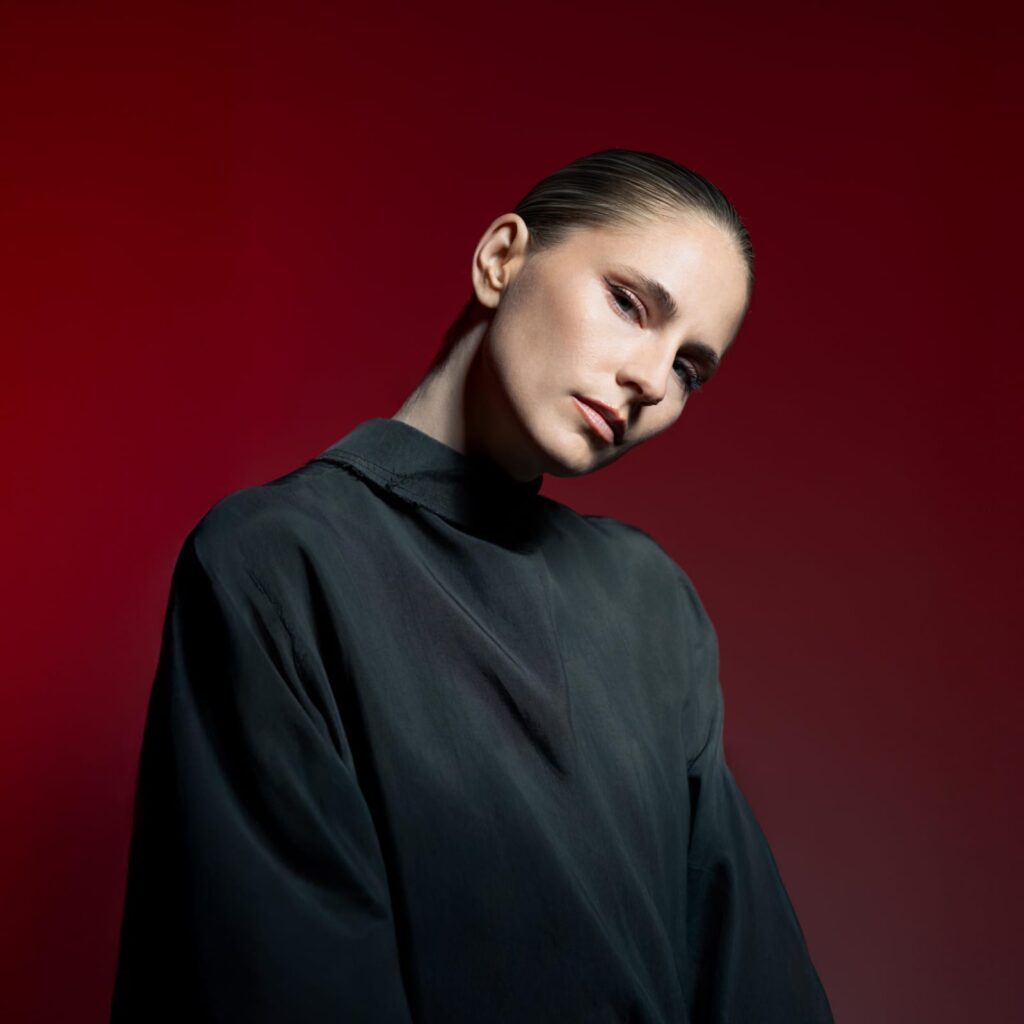
Natascha Polké opens up to Parkett on the release of her latest work, “Dawn”.
When you talk to Natascha Polké, you immediately get the sense that her music isn’t a project so much as an ecosystem. A place where club-pulsing beats at daybreak coexist with melodies that feel written in solitude—between headphones, voice notes, and sudden flashes of intuition.
It’s in this intimate, hybrid space that “Dawn” takes shape, her new EP out November 7 on Universal Music Switzerland, preceded by the single Find Me.With over 50 million streams and a steadily growing community across Instagram and Spotify, Polké has become a recognizable presence in the melodic-house constellation, yet she continues to slip past any fixed definition: indie songwriter, producer, live artist… all true, but none quite enough.Her
Her music lives in the in-between spaces. And maybe that’s exactly where it resonates most.Her path has already carried her far: releases on Anjunadeep, Stil vor Talent, [PIAS] Électronique, This Never Happened and Gardens of Babylon, leading up to her recent signing with Universal. Meanwhile, tours and festival appearances across Europe, North America, and Asia, from Fusion to ADE, from Zürich Openair to a standout Cercle performance in Los Angeles, have solidified her live identity, defined by controlled tension, a voice that slices through the room, and a sonic aesthetic that feels increasingly her own.
With “Dawn“, though, Polké seems to give herself even more freedom: club-leaning, nostalgic, at times experimental. An EP that doesn’t aim to be consistent at all costs, but authentic—absolutely. And that’s where our conversation begins: with the choice not to choose just one path when the horizon is far more interesting.
“Dawn” feels like a turning point in your sonic journey. The idea of dawn often carries both rebirth and vulnerability. How does that duality unfold throughout your new EP?
The name Dawn actually comes from the line “’til the dawn is breaking.” It’s not so much about what happens at dawn or after, but about the time before dawn. I see that time as a kind of dreamworld, an escape. The EP is about taking the listener on a journey through different styles and emotions, letting them drift into that dreamlike space until the dawn finally breaks.
In a scene increasingly defined by micro-genres and tight sonic identities, you seem to thrive in the in-between. How important is it for you to remain outside strict definitions of genre?
It’s not that I intentionally try to sit outside of genres. Sometimes it would probably be easier, especially for algorithms, to fit neatly into one. But I’ve always had many different influences around me, from singer-songwriter music to club culture, and those worlds naturally blend in what I do. My voice holds everything together in its own way, so I feel I can explore without losing myself. I think I would struggle to stay in just one lane anyway. Letting the different parts of my musical background meet each other feels the most honest to me, and that’s often where the magic happens.
“Find Me” balances human breath with digital precision — an emotional tension embedded in the production itself. How do you preserve emotional authenticity within such meticulously crafted structures?
I usually start with a feeling or a vocal, something that already holds a certain emotion, and I shape the production around that. Keeping little imperfections is really important to me. For example, I often record the bass line once in real time on my Moog Sub37 or Prophet-6 and then work with that single take instead of creating a perfectly polished digital version. I like when the human element is still present beneath the electronic layers. It makes the music feel alive and gives it space to breathe.
The EP travels across deep house nostalgia, club energy, and more atmospheric experimentations. Was there a narrative or emotional thread guiding how these five tracks came together?
I didn’t set out to create a story from the beginning, but looking back, each track naturally became its own little chapter. Dawn isn’t really a linear narrative for me, but more of a sonic journey that moves through different emotional spaces and little passion pockets of mine. Every song shows a slightly different side of what I love in music, and together they form an emotional arc that feels honest and true to where I am at the moment.
You’ve released on labels like [PIAS] Électronique, Anjunadeep, Stil vor Talent, This Never Happened and now Universal. What does it mean to work with a major label while maintaining your creative independence?
Labels have never really influenced the way I create music, and I’m grateful that they’ve all been very supportive in giving me a lot of creative freedom. I don’t write with a label in mind because the music always has to come first for me. My process is to create something that feels true, and then look for the right home for it afterward, rather than shaping a song to fit somewhere.Working with major labels can also mean having a great professional team around you that helps promote your music and connect it with the right audience. When that collaboration works well, it allows the artist to focus fully on the creative side while knowing the music will reach the people it’s meant to.
Your live shows bridge the space between DJ performance and live vocals. How do you translate the intimacy of your more fragile songs into something that still works on a dancefloor?
My performance doesn’t really work like a DJ set. It is a live show, which gives me a lot of freedom to play with different moods. Finding the balance between intimacy and dancefloor energy is something I really enjoy exploring. I love creating moments where the energy softens for a moment and things feel a bit more personal. For me, it’s about dynamics, letting people dance but also giving them space to feel. Those fragile moments often become the most powerful ones because they contrast so beautifully with the surrounding club energy.
There’s a strong visual, almost cinematic quality in your sound design. Do you “see” music before you build it, as if it were a scene, a light, or a landscape?
Sometimes I do have a scene or a situation in mind. I usually start with the bassline and the vocals, and together they begin to form a kind of story. It often feels as if I’m watching something unfold while the track takes shape. I also naturally connect music with colours, and every song ends up having its own shade. For example, Ghost feels light blue to me, while Dawn has a deep orange tone. It’s less that I choose the colours and more that the music creates them on its own.
The Swiss electronic scene is small but uniquely vibrant and introspective. How much of your local roots still echoes in your global sound?
My sound actually began to take shape when I was living in London, so it has never felt particularly “Swiss” in a traditional sense. But the nature around me definitely influences me now. I live just a few minutes from the lake and I spend a lot of time there. I often record sounds like water or leaves and weave them into my music. Those little pieces of my surroundings naturally become part of the atmosphere of my tracks.
“Dawn” feels like an opening, not just musically, but personally. Beyond the beats and production, what do you hope listeners truly discover about you through this record?
The track Dawn was actually called Stomper throughout its creation, I just wanted people to stomp to it! I think that energy still lives in the track. It’s meant to evoke something a bit wild and reckless. It also reflects the time when I was still DJing and playing darker techno sets. Of course, the topline softens it and brings it into a more melodic, emotional space, but Dawn definitely shows a darker, more untamed side of me.
And, looking ahead, if Dawn represents the first light of a new chapter, what horizon are you hoping to move toward, artistically, emotionally, or even spiritually?
It’s a really exciting time at the moment. I’m meeting so many inspiring people and discovering new places. I want to keep exploring and growing, both musically and personally. There are so many colours of sound on this EP that I feel like I can go in all sorts of directions… we’ll see where it takes me, I’m just enjoying the ride!
Natasha Polké’s ‘Dawn’ EP ft. ‘Let Myself Go’ is out now on Universal Music Switzerland. Get it here: https://nataschapolke.lnk.to/Dawn.